Politics remains one of the most influential forces shaping societies, economies, and international relations around the world. In 2026, political developments continue to affect everything from economic growth and technological innovation to climate policy and national security. As nations navigate a rapidly changing global environment, governments face increasingly complex challenges that require cooperation, strategic planning, and effective leadership.
The political landscape today is characterized by globalization, digital transformation, shifting geopolitical alliances, and growing public expectations. Citizens are more informed and connected than ever before, while governments must balance national interests with international responsibilities.
The Evolving Nature of Modern Politics
Political systems have evolved significantly over time. Traditional governance models are being influenced by technology, social media, economic globalization, and demographic changes. Leaders must respond quickly to emerging issues while maintaining stability and public trust.
Several factors are shaping modern political environments:
- Technological advancements
- Economic globalization
- Climate change concerns
- Digital communication platforms
- Population growth and migration
- National security challenges
These developments require governments to adopt innovative approaches to policymaking and administration.
Economic Policy and Political Leadership
Economic performance remains a major priority for governments worldwide. Political leaders are tasked with creating conditions that support job creation, investment, innovation, and sustainable growth.
Inflation Management
Many governments continue to focus on controlling inflation and maintaining economic stability. Effective fiscal and monetary policies are essential for protecting household purchasing power and supporting business confidence.
Employment and Workforce Development
As automation and artificial intelligence transform industries, policymakers are investing in education, workforce training, and skills development programs.
Infrastructure Investment
Modern infrastructure projects improve transportation, communication networks, energy systems, and economic competitiveness.
The Role of Technology in Politics
Technology is transforming political communication, public engagement, and government operations. Digital tools allow leaders to connect directly with citizens and provide greater transparency.
Digital Government Services
Governments are increasingly offering online services that simplify administrative processes and improve efficiency.
Artificial Intelligence in Public Administration
AI technologies help analyze data, improve resource allocation, and support evidence-based policymaking.
Cybersecurity Challenges
As governments become more digitally connected, protecting critical infrastructure and sensitive information has become a top priority.
Climate Policy and Environmental Governance
Climate change remains one of the most important political issues of the 21st century. Governments around the world are developing policies aimed at reducing emissions, promoting renewable energy, and improving environmental sustainability.
Renewable Energy Investments
Many countries are expanding investments in solar, wind, hydroelectric, and other renewable energy sources.
Sustainable Development
Policymakers are working to balance economic growth with environmental protection and resource conservation.
International Cooperation
Environmental challenges often require coordinated action among multiple nations and international organizations.
International Relations and Diplomacy
Global stability depends heavily on effective diplomacy and international cooperation. Countries must work together to address shared challenges while protecting their national interests.
- Trade agreements
- Security partnerships
- Humanitarian assistance
- Climate initiatives
- Public health cooperation
Strong diplomatic relationships contribute to peace, economic prosperity, and regional stability.
The Impact of Social Media on Politics
Social media platforms have fundamentally changed how political information is shared and consumed. Citizens can engage directly with political leaders, access real-time updates, and participate in public discussions.
Increased Public Engagement
Digital platforms allow greater citizen participation in political conversations and public policy debates.
Information Accessibility
People can access news and political content more quickly than ever before.
Challenges of Misinformation
Governments and technology companies continue to address concerns related to misinformation and online content accuracy.
National Security in a Changing World
Security remains a central responsibility of governments. Modern threats include cyberattacks, terrorism, organized crime, and geopolitical tensions.
Cyber Defense
Protecting digital infrastructure has become as important as securing physical borders.
Intelligence and Cooperation
International intelligence-sharing helps governments identify and respond to emerging threats.
Emergency Preparedness
Governments invest in disaster response capabilities and crisis management systems to protect citizens during emergencies.
Democracy and Citizen Participation
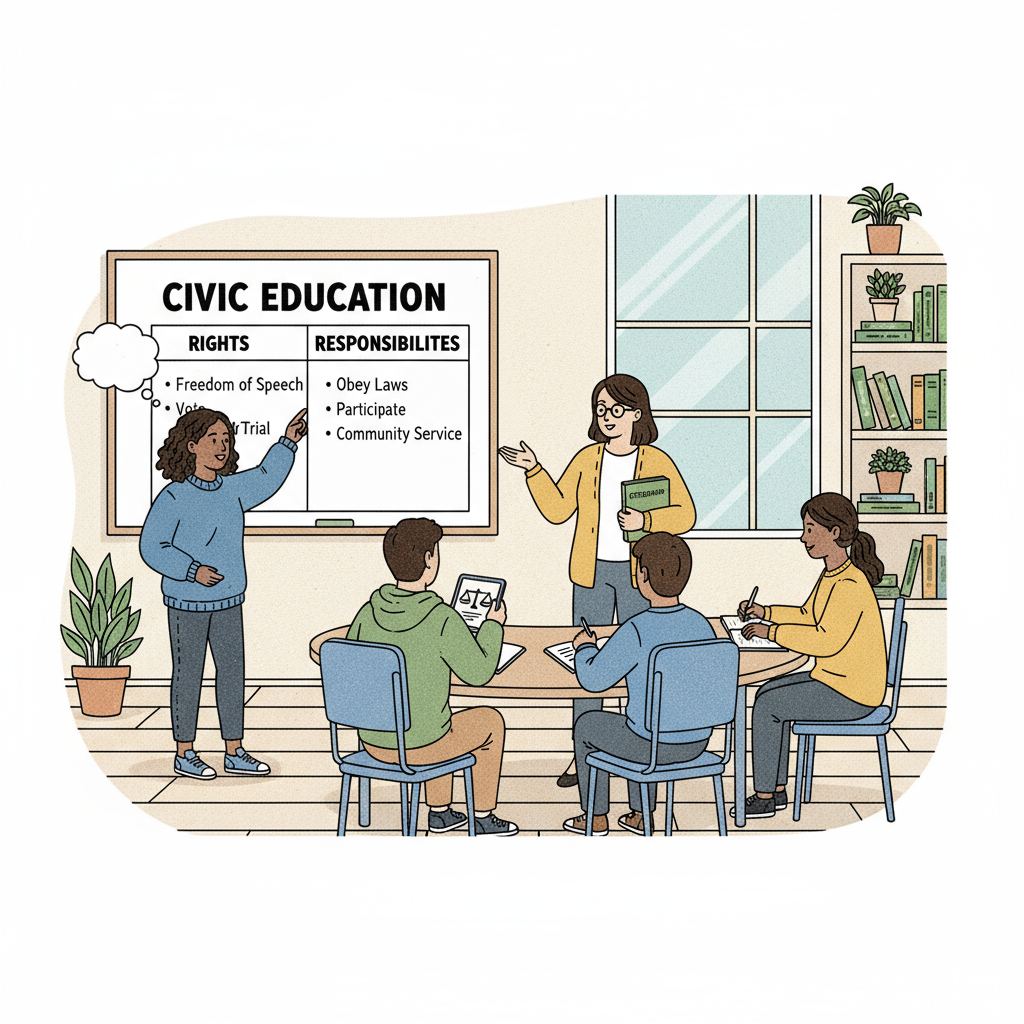
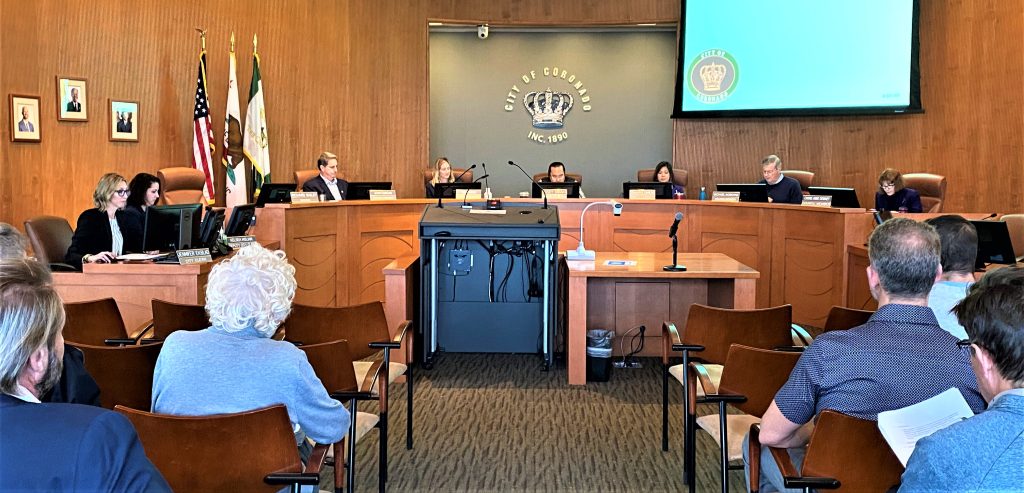
Democratic systems rely on active citizen participation and transparent institutions. Voter engagement, civic education, and public trust are essential components of effective governance.
Electoral Participation
Encouraging voter turnout strengthens democratic legitimacy and representation.
Civic Education
Educating citizens about political processes promotes informed decision-making and responsible participation.
Government Transparency
Open communication and accountability help build trust between governments and the public.
Migration and Population Trends
Migration continues to influence political discussions worldwide. Governments must address economic opportunities, labor market needs, humanitarian responsibilities, and border management.
Population changes also affect:
- Healthcare systems
- Education planning
- Housing demand
- Workforce development
- Social services
Effective policy planning helps governments respond to these demographic shifts.
The Importance of Political Stability
Political stability creates conditions that support economic growth, investment, and social development. Stable institutions allow businesses to operate confidently and citizens to plan for the future.
Factors contributing to political stability include:
- Strong institutions
- Rule of law
- Economic opportunity
- Social cohesion
- Effective governance
Countries that maintain stability are often better positioned to attract investment and achieve long-term development goals.
Challenges Facing Political Leaders
Modern political leaders face a wide range of challenges that require thoughtful solutions and collaborative approaches.
Economic Uncertainty
Global economic fluctuations can impact employment, trade, and public finances.
Technological Disruption
Rapid innovation creates opportunities while also requiring regulatory adaptation.
Public Expectations
Citizens increasingly expect governments to deliver efficient services, transparency, and measurable results.
Global Competition
Nations compete for investment, talent, technological leadership, and economic influence.
The Future of Politics
The future of politics will likely be shaped by technology, globalization, environmental sustainability, and demographic change. Governments that embrace innovation while maintaining democratic principles and public trust will be best positioned to succeed.
Artificial intelligence, digital governance, data-driven policymaking, and international cooperation are expected to play increasingly important roles in addressing future challenges.
Conclusion
Global politics in 2026 reflects a world that is more connected, complex, and dynamic than ever before. Political decisions influence economic growth, technological progress, environmental sustainability, and social well-being on both national and international levels.
As governments navigate emerging opportunities and challenges, effective leadership, strong institutions, and active citizen participation will remain essential for building prosperous and resilient societies. Understanding political trends helps individuals, businesses, and communities better prepare for the future and contribute positively to democratic processes.