In 2026, global politics is more complex and interconnected than ever before. Nations are facing new challenges, shifting alliances, and evolving power dynamics that are reshaping the world order. From economic competition to climate change and digital governance, political decisions today have far-reaching consequences for the future.
The Changing Landscape of Global Politics
The traditional balance of power is shifting as emerging economies gain influence and established powers adapt to new realities. Countries are forming strategic partnerships to address common challenges, while also competing for resources, technology, and global leadership.
Globalization has increased interdependence among nations, making cooperation essential. However, it has also led to conflicts over trade, security, and political influence.
Key Issues Shaping Politics in 2026
1. Economic Competition
Economic strength remains a key factor in global politics. Nations are competing to dominate industries such as technology, energy, and manufacturing.
2. Climate Change Policies
Climate change is a major political issue, with governments implementing policies to reduce carbon emissions and promote sustainability.
3. Digital Governance
The rise of digital technology has created new challenges in governance. Issues such as data privacy, cybersecurity, and online misinformation are becoming central to political discussions.
4. Geopolitical Tensions
Conflicts between nations continue to impact global stability. Diplomatic efforts are essential to prevent escalation and maintain peace.
5. Migration and Refugee Crisis
Political instability and economic challenges are driving migration, creating complex humanitarian and political issues.
The Role of Technology in Politics
Social Media Influence
Social media platforms have become powerful tools for political communication, campaigning, and public engagement.
Artificial Intelligence
AI is being used for data analysis, policy-making, and even predicting political trends.
Cybersecurity
Protecting national data and infrastructure from cyber threats is a top priority for governments.
Challenges in Modern Politics
Polarization
Political divisions within societies are increasing, making consensus more difficult to achieve.
Trust Issues
Public trust in political institutions is declining in many parts of the world.
Corruption
Corruption remains a significant challenge, affecting governance and economic development.
Global Conflicts
Ongoing conflicts continue to impact international relations and global stability.
The Future of Politics
Stronger International Cooperation
Countries will need to work together to address global challenges such as climate change and pandemics.
Rise of Young Leaders
Younger generations are becoming more involved in politics, bringing new perspectives and ideas.
Focus on Sustainability
Sustainable development will remain a key priority for governments worldwide.
Digital Democracy
Technology may enable more direct participation in political processes through digital platforms.
How Citizens Can Stay Informed
Follow Reliable Sources
Stay updated with accurate and credible news sources.
Engage in Discussions
Participating in constructive discussions helps build awareness and understanding.
Vote Responsibly
Voting is one of the most important ways to influence political decisions.
Stay Educated
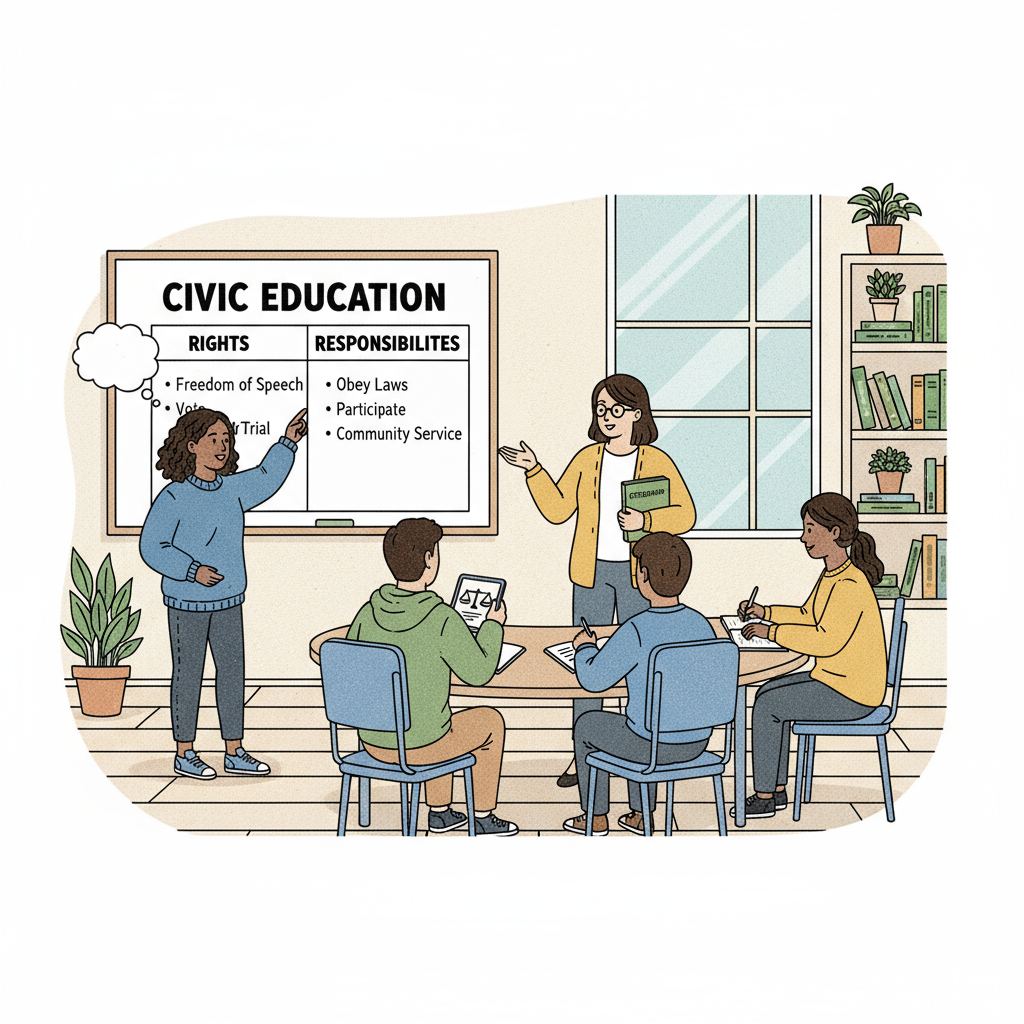
Understanding political systems and issues is essential for active citizenship.
Conclusion
Global politics in 2026 is shaped by a combination of challenges and opportunities. As the world becomes more interconnected, the importance of cooperation, innovation, and responsible governance continues to grow.
By staying informed and engaged, individuals can play a vital role in shaping the future of politics. The decisions made today will determine the direction of the world for generations to come.