Introduction
Learning has often been associated with seriousness and discipline. But what if studying could feel like playing your favorite game? That’s exactly what gamification in education is doing in 2025. It’s not just a trend; it’s a revolution that’s transforming classrooms, e-learning platforms, and corporate training programs worldwide.
In this blog, we’ll explore what gamification in education means, why it works, and the latest trends in 2025 that make it one of the most effective learning strategies ever.
What is Gamification in Education?
Gamification is the application of game design elements and principles in non-game contexts. In education, it involves using points, badges, leaderboards, rewards, and challenges to make learning engaging and interactive.
Rather than reading a chapter passively, students earn points for completing quizzes, unlock levels by mastering skills, and compete with peers on leaderboards.
Why Gamification Works
Increases Engagement: Learning becomes addictive when it feels like a game.
Boosts Retention: Interactive content improves memory retention by up to 70%.
Promotes Healthy Competition: Leaderboards encourage students to perform better.
Instant Feedback: Rewards and badges provide real-time progress updates.
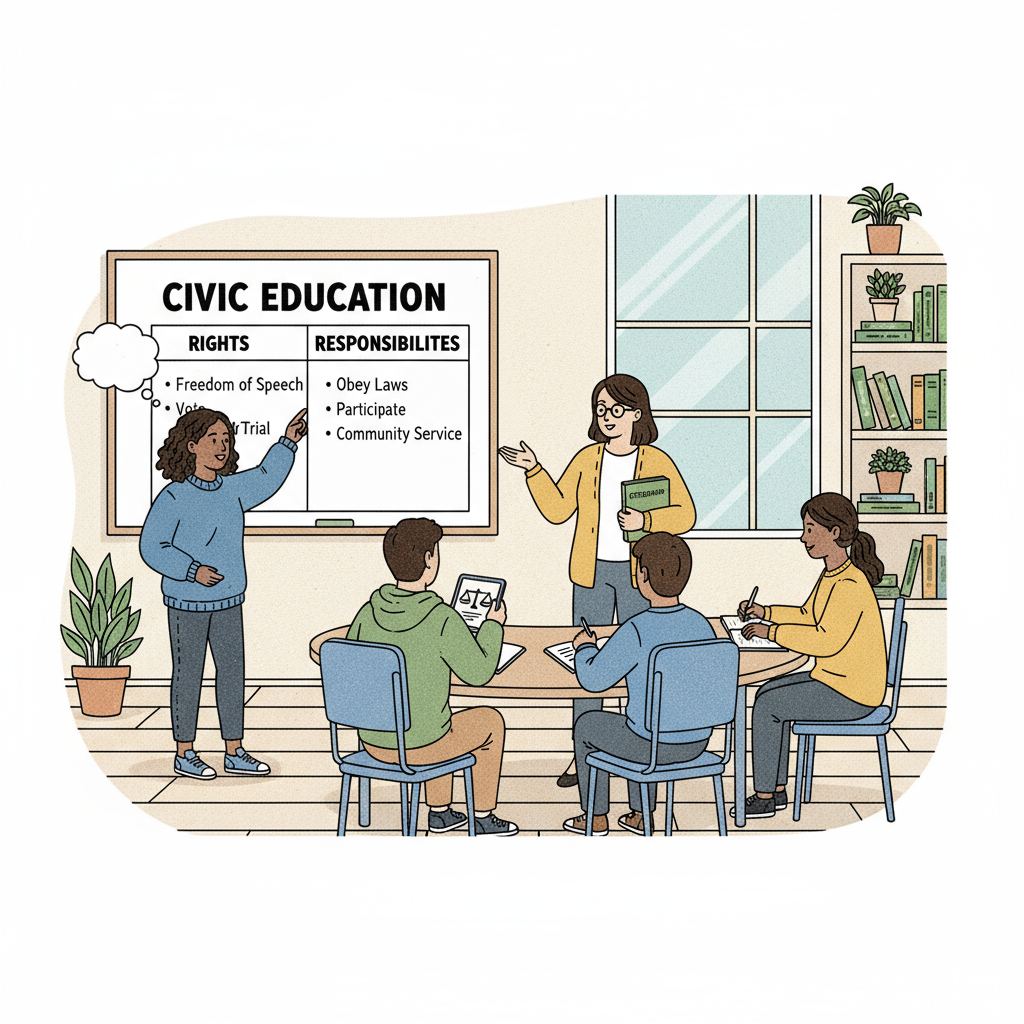
Gamification in Classrooms (2025 Edition)
Modern classrooms use AI-powered gamification platforms like Classcraft and Kahoot! to bring lessons alive.
Example:A history lesson turns into an adventure quest where students earn points for answering questions correctly.
Impact:Students stay motivated longer and are less likely to lose interest.
Gamification in Online Learning
Platforms like Duolingo, Quizizz, and Kahoot have set the benchmark. Now, AI-powered gamification adds features like:
Dynamic Challenges:Based on your performance, challenges adjust difficulty in real time.
Virtual Rewards:Digital trophies, NFTs, and even cryptocurrency-based rewards in advanced programs.
Trends in Gamification for 2025
VR & AR Game-Based Learning:Imagine learning chemistry by mixing virtual chemicals in a 3D lab.
AI-Driven Personalization:Your game adapts based on your mood and attention span.
Esports-Style Learning Competitions:Schools now host subject-based tournaments like math or coding battles.
Microlearning with Game Mechanics:Short, game-like lessons keep learners hooked.