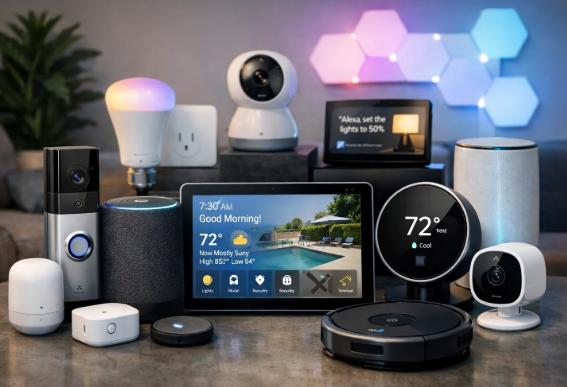
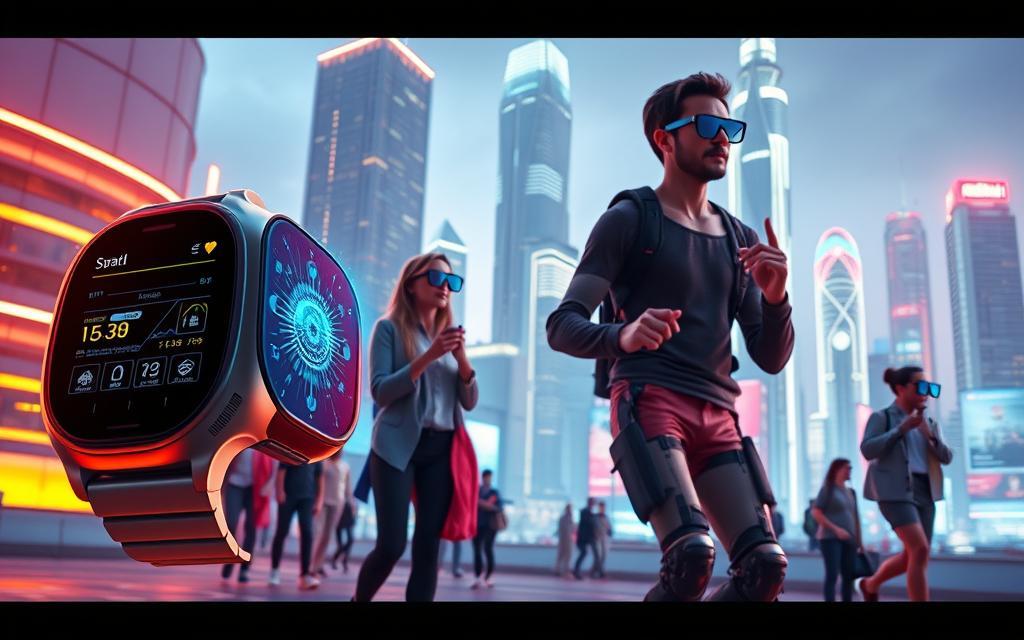
Technology continues to evolve rapidly, changing the way people communicate, work, exercise, and manage daily activities. Among the most exciting developments in modern technology is the rise of wearable devices and smart gadgets. From smartwatches and fitness trackers to smart glasses and AI-powered accessories, wearable technology has become a major part of everyday life.
These gadgets are designed to improve convenience, health monitoring, communication, and entertainment. As artificial intelligence, sensors, and wireless connectivity continue advancing, wearable technology is expected to become even more intelligent and integrated into daily routines.
The wearable technology market has grown significantly over the past decade, with millions of consumers worldwide adopting smart devices for personal and professional use. The future promises even more innovation, making wearable gadgets an essential part of the digital age.
What is Wearable Technology?
Wearable technology refers to electronic devices that users can wear on their bodies or clothing. These gadgets often include sensors, internet connectivity, and software that collect and process data in real time.
Common examples include smartwatches, fitness bands, wireless earbuds, smart rings, virtual reality headsets, and smart glasses. Many wearable devices connect to smartphones or cloud-based platforms for enhanced functionality.
The Evolution of Wearable Gadgets
Wearable technology has evolved significantly from simple digital watches and pedometers. Early devices focused mainly on basic functions such as timekeeping and step counting.
Today’s wearable gadgets include advanced features such as heart rate monitoring, GPS tracking, sleep analysis, voice assistants, contactless payments, and health diagnostics. Improvements in battery life, miniaturization, and wireless communication have accelerated innovation in this industry.
The rise of smartphones and mobile applications also contributed to the popularity of wearable devices by creating connected digital ecosystems.
Popular Types of Wearable Technology
Smartwatches
Smartwatches are among the most widely used wearable gadgets. They provide notifications, fitness tracking, health monitoring, music control, GPS navigation, and communication features directly on the wrist.
Modern smartwatches can monitor heart rate, blood oxygen levels, stress levels, and sleep patterns. Some models even offer ECG monitoring and fall detection features.
Fitness Trackers
Fitness trackers focus primarily on health and physical activity monitoring. These devices track steps, calories burned, exercise performance, and daily movement goals.
Fitness bands are popular among health-conscious users who want affordable devices for monitoring exercise and wellness routines.
Wireless Earbuds
Wireless earbuds have transformed audio experiences by providing convenience and portability. Many advanced earbuds include active noise cancellation, voice assistant integration, and touch controls.
Some earbuds also offer health-tracking features such as heart rate monitoring and fitness coaching.
Smart Glasses
Smart glasses use augmented reality (AR) technology to display digital information within the user’s field of vision. These devices may assist with navigation, communication, productivity, and entertainment.
Companies are investing heavily in AR glasses for future applications in education, healthcare, gaming, and business operations.
Virtual Reality Headsets
Virtual reality (VR) headsets create immersive digital environments for gaming, education, training, and simulations. VR technology is expanding into professional industries such as healthcare, engineering, and military training.
The Role of Artificial Intelligence in Wearable Gadgets
Artificial Intelligence (AI) plays a major role in improving wearable technology. AI systems analyze user data, provide personalized recommendations, and automate device functions.
Personalized Health Insights
AI-powered wearable devices can identify health patterns and provide recommendations based on activity levels, sleep quality, and heart rate data.
Voice Assistants
Many wearable gadgets include AI voice assistants such as Siri, Google Assistant, or Alexa for hands-free communication and task management.
Predictive Analytics
Advanced wearables can predict potential health risks by analyzing biometric data trends over time.
Health and Fitness Applications
Health monitoring is one of the most important uses of wearable technology. Smart devices help users track physical activity, monitor vital signs, and maintain healthier lifestyles.
Heart Rate and Blood Oxygen Monitoring
Modern wearable devices continuously monitor heart rate and blood oxygen levels, helping users identify potential health issues early.
Sleep Tracking
Wearables analyze sleep patterns and provide insights into sleep quality, duration, and disturbances.
Exercise Coaching
Fitness devices offer workout tracking, guided exercises, and real-time performance analysis for athletes and fitness enthusiasts.
Wearable Technology in Healthcare
The healthcare industry is increasingly adopting wearable devices for remote patient monitoring and preventive healthcare.
Remote Health Monitoring
Doctors can monitor patient conditions remotely through connected wearable devices. This improves healthcare accessibility and reduces hospital visits.
Chronic Disease Management
Wearable technology helps patients manage conditions such as diabetes, heart disease, and hypertension by tracking health data continuously.
Emergency Alerts
Some wearable devices can automatically contact emergency services during accidents or medical emergencies.
Smart Gadgets for Productivity
Wearable devices are also improving workplace productivity and communication.
Smart Notifications
Users can receive emails, messages, reminders, and calendar alerts directly on wearable devices without constantly checking smartphones.
Hands-Free Communication
Voice commands and wireless connectivity enable professionals to multitask more efficiently.
Remote Collaboration
AR and VR technologies support virtual meetings, remote training, and collaborative work environments.
Challenges Facing Wearable Technology
Despite rapid growth, wearable technology faces several challenges.
Privacy and Data Security
Wearable devices collect sensitive personal data, raising concerns about privacy and cybersecurity.
Battery Life Limitations
Many wearable gadgets require frequent charging due to limited battery capacity.
High Costs
Advanced wearable devices can be expensive, limiting accessibility for some consumers.
Accuracy Concerns
Health monitoring features may not always provide completely accurate medical data, requiring further technological improvements.
The Future of Wearable Technology
The future of wearable gadgets looks incredibly promising. Emerging technologies such as flexible displays, biometric authentication, AI integration, and advanced sensors will continue driving innovation.
Smart clothing with built-in sensors may become more common for health monitoring and athletic performance analysis. Brain-computer interfaces could eventually allow users to control devices through neural signals.
Augmented reality glasses may replace smartphones for many daily tasks in the future, creating fully connected digital experiences.
Tips for Choosing Wearable Devices
Identify Your Needs
Users should choose devices based on their lifestyle, fitness goals, communication needs, or professional requirements.
Check Compatibility
Ensure wearable devices are compatible with smartphones and operating systems.
Evaluate Battery Life
Long battery life improves convenience and reduces charging frequency.
Consider Data Privacy
Choose trusted brands that prioritize security and data protection.
Conclusion
Wearable technology and smart gadgets are transforming modern lifestyles by improving convenience, communication, health monitoring, and productivity.
As artificial intelligence and sensor technologies continue advancing, wearable devices will become even smarter and more integrated into daily life. From healthcare and fitness to business and entertainment, these gadgets are shaping the future of technology.
Although challenges such as privacy concerns and battery limitations remain, the wearable technology industry continues to grow rapidly. The future promises innovative devices that will redefine how humans interact with technology and the world around them.