Travel has become one of the most important and rapidly growing industries in the world. People travel for business, education, adventure, relaxation, cultural exploration, and personal experiences. Modern transportation, digital technology, and global connectivity have made traveling easier and more accessible than ever before.
The tourism industry contributes significantly to global economies by creating jobs, supporting local businesses, and promoting international relationships. From luxury resorts and historical landmarks to eco-tourism and digital nomad lifestyles, the travel industry continues evolving to meet changing consumer expectations.
In recent years, technology and social media have transformed how people plan, experience, and share their journeys. Travelers now seek unique experiences, personalized services, and sustainable tourism options that go beyond traditional vacations.
The Evolution of Modern Travel
Travel has changed dramatically over the past century. Earlier generations relied on ships, trains, and lengthy road journeys, while modern travelers benefit from high-speed flights, online booking systems, and instant global communication.
The rise of budget airlines, digital payment systems, and travel applications has made international travel more affordable for millions of people.
Travelers today can book flights, hotels, transportation, and guided tours directly from smartphones within minutes.
The Impact of Technology on Travel
1. Online Booking Platforms
Technology has simplified travel planning significantly. Online booking platforms allow users to compare prices, read customer reviews, and reserve accommodations instantly.
Digital travel services provide convenience, transparency, and access to a wide variety of travel options.
2. Mobile Travel Applications
Mobile apps help travelers navigate cities, translate languages, manage bookings, locate restaurants, and access digital maps.
Real-time flight updates, mobile boarding passes, and cashless payment systems have improved travel efficiency and convenience.
3. Artificial Intelligence in Tourism
Artificial intelligence is becoming increasingly important in the travel industry. AI-powered chatbots assist customers with bookings and recommendations, while personalized travel suggestions improve user experiences.
Hotels and airlines also use AI systems to optimize pricing, customer service, and operational efficiency.
The Rise of Sustainable Tourism
Sustainability has become a major focus in modern tourism. Travelers are increasingly aware of environmental issues and prefer eco-friendly travel options.
Sustainable tourism encourages responsible travel practices that protect natural environments, support local communities, and reduce environmental damage.
Many hotels, airlines, and travel companies now invest in renewable energy, waste reduction programs, and environmentally friendly operations.
The Importance of Cultural Tourism
Cultural tourism allows travelers to explore traditions, history, architecture, cuisine, and local lifestyles in different countries.
Historical sites, museums, festivals, and traditional markets attract millions of tourists annually.
Cultural experiences help promote global understanding and preserve historical heritage.
Adventure Travel and Outdoor Tourism
1. Growing Popularity of Adventure Tourism
Adventure tourism has become increasingly popular among younger travelers. Activities such as hiking, mountain climbing, scuba diving, skiing, and desert exploration attract people seeking excitement and unique experiences.
Social media platforms have further increased interest in adventure travel by showcasing breathtaking destinations and outdoor activities.
2. Wellness and Nature Tourism
Many travelers now prioritize wellness-focused vacations. Nature retreats, yoga resorts, spa destinations, and meditation centers are growing rapidly in popularity.
Wellness tourism combines relaxation, mental health improvement, and healthy living experiences.
The Economic Importance of Tourism
Tourism is one of the world’s largest economic sectors. It supports millions of jobs in hotels, airlines, restaurants, transportation services, and entertainment industries.
Many countries rely heavily on tourism revenue to support economic growth and infrastructure development.
Tourist spending also benefits local businesses, artisans, guides, and cultural organizations.
The Influence of Social Media on Travel
1. Travel Influencers
Social media has transformed the tourism industry dramatically. Travel influencers share photos, videos, and travel experiences that inspire millions of followers worldwide.
Platforms such as Instagram, TikTok, and YouTube play major roles in destination marketing and tourism promotion.
2. Digital Travel Communities
Online travel communities help tourists share reviews, travel tips, itineraries, and recommendations.
User-generated content often influences travel decisions more than traditional advertising campaigns.
The Rise of Remote Work and Digital Nomads
Remote work has created a new category of travelers known as digital nomads. These individuals work online while traveling to different cities and countries.
Many destinations now offer digital nomad visas, coworking spaces, and long-term accommodation options to attract remote professionals.
This trend is changing the relationship between work and travel, creating new opportunities for tourism industries globally.
Challenges Facing the Travel Industry
1. Environmental Impact
Tourism can create environmental pressure through pollution, overcrowding, and excessive resource consumption.
Popular tourist destinations often face challenges related to waste management, ecosystem damage, and climate change.
2. Global Uncertainty
Political instability, health crises, and economic uncertainty can significantly affect international travel patterns.
The travel industry must remain adaptable and resilient in response to changing global conditions.
3. Rising Costs
Inflation, fuel prices, and operational expenses continue impacting airline tickets, accommodations, and travel services worldwide.
Budget-conscious travelers increasingly seek affordable travel options and flexible booking policies.
The Future of Air Travel
Airlines are investing in fuel-efficient aircraft, digital automation, and improved passenger experiences.
Future air travel may include electric aircraft, biometric boarding systems, and faster security processes.
Space tourism is also emerging as a potential future industry, although it currently remains limited to high-cost experimental experiences.
Smart Tourism and Future Innovations
Smart tourism combines technology, sustainability, and personalized experiences to improve travel efficiency.
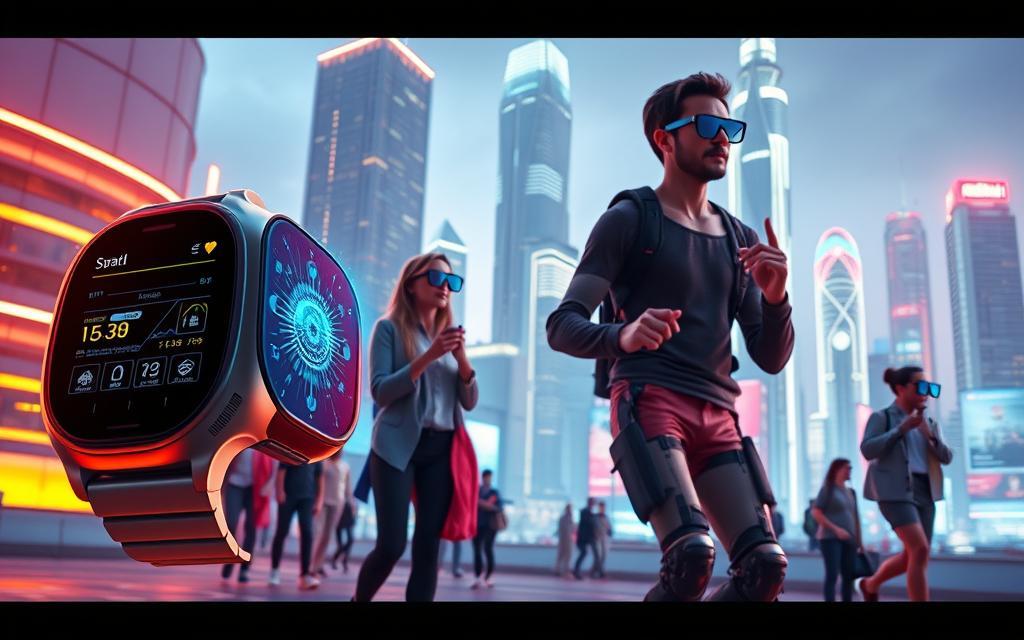
Smart cities may eventually provide travelers with connected transportation systems, AI-powered tourism services, and real-time multilingual assistance.
Virtual reality previews and augmented reality travel guides are expected to become more common in future tourism experiences.
Conclusion
Travel and tourism continue playing major roles in global culture, economic development, and international connectivity. Modern technology, social media, and changing lifestyles are transforming how people explore the world.
Sustainable tourism, digital innovation, and personalized experiences are shaping the future of the travel industry.
As transportation and technology continue advancing, travel will likely become more accessible, immersive, and environmentally responsible for future generations. The desire to explore new places, cultures, and experiences will remain a fundamental part of human life.