Travel has always been one of humanity’s greatest passions. From ancient explorers crossing oceans to modern tourists booking flights through smartphones, the desire to discover new places and cultures continues to shape the world. Today, travel is more accessible than ever before due to technological advancements, affordable transportation, and digital connectivity.
The travel and tourism industry is one of the largest sectors in the global economy. It creates millions of jobs, supports businesses, promotes cultural exchange, and contributes significantly to national development. Whether people travel for leisure, business, education, or adventure, tourism has become an essential part of modern life.
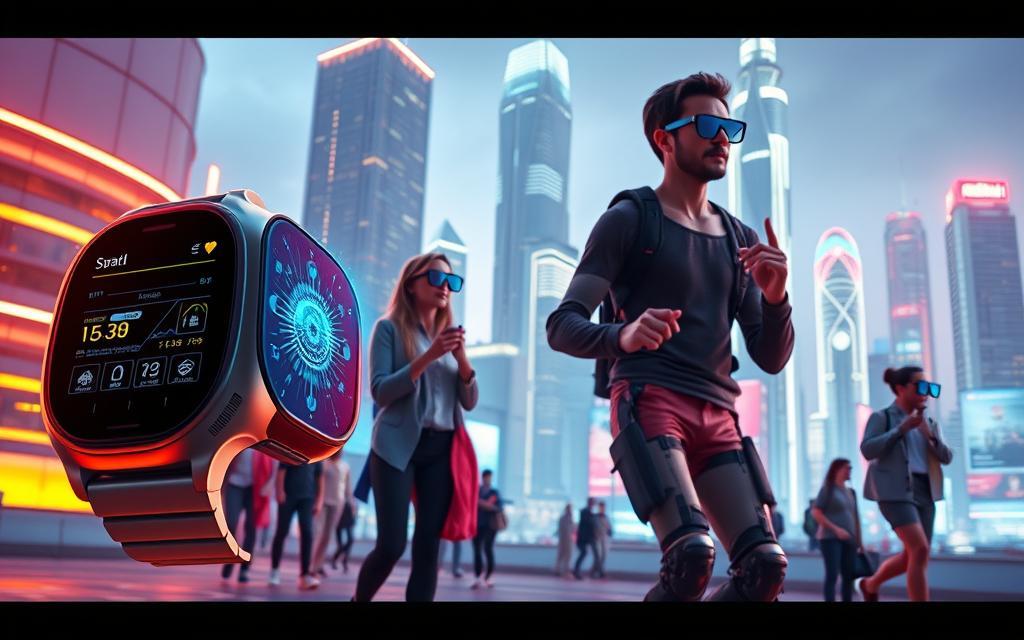
As technology and globalization continue to evolve, the future of travel is becoming smarter, faster, safer, and more personalized. Travelers now expect convenience, digital services, sustainable tourism options, and unique experiences that go beyond traditional sightseeing.
The Evolution of Modern Travel
Travel has changed dramatically over the past century. In earlier times, journeys were long, expensive, and often dangerous. Transportation options were limited, and international travel was available mainly to wealthy individuals.
The development of airplanes, high-speed trains, highways, and cruise ships transformed global tourism. Air travel, in particular, made international destinations more accessible to millions of people worldwide.
Today, digital technology allows travelers to book flights, hotels, transportation, and tours within minutes. Online maps, travel apps, and translation tools have made traveling easier and more convenient than ever before.
The Importance of Tourism for the Global Economy
Tourism plays a major role in economic growth and development across the world.
Job Creation
The travel industry creates employment opportunities in hotels, airlines, restaurants, transportation services, tour operations, and entertainment sectors.
Support for Local Businesses
Tourists spend money on accommodation, food, shopping, and local attractions, supporting small businesses and local communities.
Infrastructure Development
Governments often invest in airports, roads, transportation systems, and tourist attractions to improve tourism and economic growth.
Technology Transforming the Travel Industry
Technology has become one of the most powerful forces shaping modern travel and tourism.
Online Booking Platforms
Travelers can now compare prices, read reviews, and book flights or hotels instantly through websites and mobile applications.
Digital Navigation and Maps
GPS systems and navigation apps help tourists explore unfamiliar destinations more confidently and efficiently.
Artificial Intelligence in Travel
AI-powered systems provide personalized travel recommendations, customer support, and automated booking services.
Contactless Services
Many hotels, airports, and airlines now use contactless check-in systems, digital payments, and mobile boarding passes for convenience and safety.
Popular Types of Travel
Travel preferences vary depending on personal interests, budgets, and purposes.
Leisure Travel
Leisure tourism focuses on relaxation, entertainment, and vacation experiences. Beaches, resorts, mountains, and cultural destinations remain popular choices.
Adventure Tourism
Adventure travelers seek exciting activities such as hiking, scuba diving, mountain climbing, and wildlife exploration.
Business Travel
Business professionals travel for meetings, conferences, trade events, and corporate activities worldwide.
Educational Travel
Students and researchers travel for study programs, academic conferences, and cultural learning experiences.
Medical Tourism
Many individuals travel internationally for affordable healthcare services and specialized medical treatments.
The Rise of Sustainable Tourism
Environmental awareness has increased significantly in recent years, encouraging the growth of sustainable and eco-friendly tourism.
Protecting Natural Resources
Sustainable tourism focuses on reducing environmental damage and preserving natural ecosystems.
Supporting Local Communities
Responsible tourism encourages travelers to support local businesses, traditions, and cultural heritage.
Reducing Carbon Emissions
Airlines, hotels, and tourism companies are investing in greener technologies and sustainable practices to reduce environmental impact.
The Influence of Social Media on Travel
Social media platforms have transformed the way people choose destinations and share travel experiences.
Travel Influencers and Content Creators
Travel bloggers, YouTubers, and influencers inspire millions of people by sharing photos, videos, and travel guides online.
Destination Marketing
Tourism boards and businesses use social media campaigns to attract visitors and promote destinations globally.
User Reviews and Recommendations
Travelers rely heavily on online reviews and ratings when selecting hotels, restaurants, and attractions.
Challenges Facing the Travel Industry
Despite its growth, the travel industry faces several important challenges.
Economic Uncertainty
Global economic conditions and inflation can affect tourism demand and travel spending.
Environmental Concerns
Overtourism and pollution can negatively impact natural environments and local communities.
Health and Safety Issues
Pandemics, natural disasters, and political instability can disrupt international travel and tourism activities.
Cybersecurity Risks
Travel companies must protect customer data and digital payment systems from cyber threats.
The Importance of Cultural Exchange
Travel promotes cultural understanding and global connections between people from different backgrounds.
Learning About Different Cultures
Tourists experience local traditions, languages, food, and lifestyles that broaden their perspectives.
Promoting Global Unity
International travel encourages communication and cooperation between nations and communities.
Preserving Cultural Heritage
Tourism often helps preserve historical sites, museums, and cultural landmarks through financial support and awareness.
The Future of Smart Travel
The future of travel will focus on convenience, personalization, automation, and sustainability.
Smart Airports and Transportation
Airports are increasingly adopting facial recognition, biometric security, and automated systems to improve efficiency.
Personalized Travel Experiences
Artificial intelligence and data analysis will provide customized recommendations based on traveler preferences and behavior.
Virtual Reality Tourism
Virtual reality may allow travelers to explore destinations digitally before booking trips.
Space Tourism
Private companies are investing in space tourism, opening possibilities for commercial space travel in the future.
Tips for Safe and Enjoyable Travel
Travelers can improve their experiences through proper planning and safety precautions.
Research Destinations
Understanding local laws, customs, weather, and safety conditions helps travelers prepare effectively.
Travel Insurance
Insurance protects travelers from unexpected medical emergencies, cancellations, and financial losses.
Secure Important Documents
Keeping passports, identification, and financial information secure is essential while traveling.
Respect Local Cultures
Responsible travelers respect local traditions, environments, and communities during their journeys.
Travel as a Personal Growth Experience
Travel is more than simply visiting new places. It often changes perspectives, builds confidence, and creates lifelong memories.
Exploring different cultures helps individuals become more adaptable, open-minded, and independent. Travel also encourages creativity and personal development by exposing people to new ideas and experiences.
For many people, traveling becomes a source of inspiration, relaxation, and emotional fulfillment.
Conclusion
Travel and tourism continue to play a major role in connecting people, cultures, and economies across the globe. Advances in technology, transportation, and digital services have made travel more accessible and convenient than ever before.
At the same time, the industry faces important challenges related to sustainability, safety, and environmental protection. Responsible tourism and innovation will be essential for creating a balanced and sustainable future for global travel.
As the world becomes increasingly connected, travel will continue inspiring people to explore new destinations, learn from different cultures, and create unforgettable experiences. The future of travel promises exciting opportunities that will transform how people discover the world around them.