Introduction
We are moving into a world where technology doesn’t just assist us — it understands us. Smart gadgets are evolving from simple tools into intelligent companions that learn habits, automate routines, and anticipate needs. Smartphones, smartwatches, AR glasses, AI earbuds, and home assistants are no longer luxury accessories — they are the foundation of modern living.
This blog explores how AI-powered gadgets are reshaping everyday life, what new innovations are emerging in 2025, and how the future of personal technology will look in the next decade.
1. Smart gadgets are becoming digital partners — not just devices
Yesterday’s gadgets depended on commands. Today’s gadgets are learning behavior. Your watch knows your heartbeat, your phone predicts what you will search, and your smart speaker learns your routine. This shift from reactive to predictive technology is the next revolution.
Examples
- Watches that detect stress and recommend breathing exercises.
- Smartphones that optimize battery usage based on daily patterns.
- Voice assistants that can schedule appointments automatically.

2. Health-tracking gadgets are becoming personal medical companions
Wearable technology has entered the health sector like never before. Smartwatches can monitor heart rhythm, glucose levels, oxygen saturation, sleep performance, and even early signs of illness. In the next few years, these devices could predict heart attack risks or detect patterns of chronic disease before symptoms appear.
Impact on lifestyle & healthcare
- Real-time health monitoring reduces medical emergencies.
- Fitness goals become measurable and consistent.
- Remote doctor connectivity through synced data improves diagnosis.
3. The era of smart homes — everything connected, everything automated
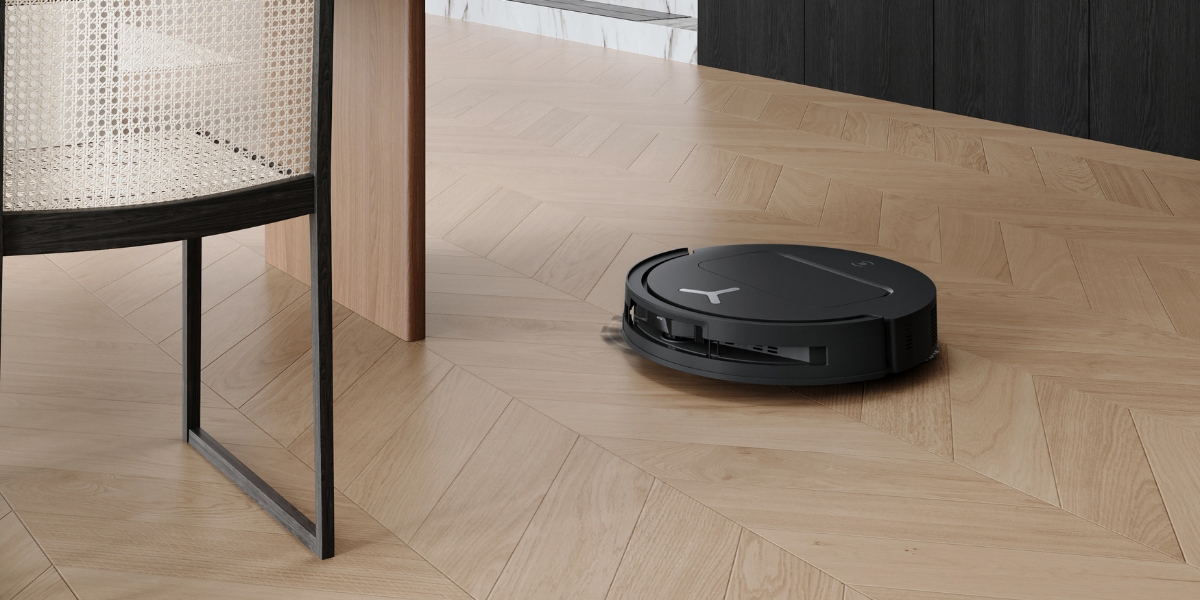
Smart homes once meant automatic lights. Now it means homes that think. AC adjusts based on temperature, lights turn on as you enter, fridges tell you what groceries are missing, and door locks respond to your voice or face recognition.
The core of a smart home setup includes:
- AI-powered speakers (Alexa, Google Nest, HomePod)
- Smart security cameras & motion sensors
- IoT-connected appliances (from ovens to washing machines)
- Energy-saving smart lights & thermostats
4. Augmented Reality gadgets — the next big leap
AR glasses and mixed-reality headsets are turning screens into floating environments. Instead of staring at a phone, you see maps in front of you, messages appear in your vision, and virtual screens replace monitors.
What AR will soon make possible
- Virtual meetings right in front of your eyes — without screens.
- Real-time translation while speaking to foreigners.
- Interactive learning for students, technicians, and medical trainees.
5. Smart earbuds — tiny devices with massive potential
Earbuds are evolving into personal AI assistants. Imagine hearing directions without checking a phone, receiving reminders verbally, or even having instant language translation in your ear.
Upcoming features expected soon
- No-screen computing using voice + gesture.
- Health monitoring through ear canal sensors.
- AI-based noise filtering for focus and productivity.
6. Sustainability is becoming a major design priority
The next wave of gadgets won’t just be smart — they’ll be eco-smart. Manufacturers are shifting to repairable models, biodegradable casing, low-energy consumption, and recyclable batteries. People want powerful devices that also respect the planet.

7. What gadgets will look like in the future?
The future will be screenless, boundless, and more human-like. Our devices will blend into our daily routine without interrupting it. Technology will move from our hands to our surroundings and eventually into our clothing, glasses, and even skin sensors.
Future predictions
- Phones may shrink or disappear, replaced by wearable displays.
- AI companions will communicate like real people.
- Every gadget will sync together as a unified personal network.
Conclusion — The future is personal, intelligent & deeply interconnected
Smart gadgets are no longer tools — they are extensions of human ability. They improve health, save time, reduce effort, and expand what we’re capable of. As AI and IoT merge deeper into technology, we are heading toward a world where devices don’t just follow us — they think with us.
The revolution has already begun, and the next decade will only accelerate it. The smartest technology is the one that disappears into daily life while improving it silently.
Images Credit: Unsplash