Politics continues to play a vital role in shaping societies, economies, and international relations around the world. In 2026, political systems are facing unprecedented challenges and opportunities driven by technological innovation, globalization, climate change, economic uncertainty, and changing public expectations. Governments, political leaders, and institutions are adapting to a rapidly evolving world where citizens demand greater transparency, accountability, and participation in decision-making processes.
The political landscape of today is significantly different from that of previous decades. Social media, digital communication platforms, and instant access to information have transformed how people engage with political issues. Citizens are more informed, more connected, and more vocal about their concerns. At the same time, governments must navigate complex global challenges that require cooperation, innovation, and effective leadership.
Understanding the future of politics is essential for anyone seeking to comprehend how decisions made today will shape the world of tomorrow. This article explores the major trends, challenges, and opportunities influencing politics in 2026 and beyond.
The Evolution of Modern Politics
Politics has always evolved in response to social, economic, and technological changes. Historically, political systems were shaped by geographic boundaries, traditional media, and centralized institutions. Today, digital technologies have fundamentally changed how political information is shared and consumed.
Citizens now have access to real-time news, political debates, and government announcements through smartphones and online platforms. This increased accessibility has strengthened public engagement while also creating new challenges related to misinformation and political polarization.
Modern political leaders must communicate effectively across multiple channels and respond quickly to public concerns. The ability to adapt to changing communication environments has become a critical component of successful political leadership.
The Impact of Technology on Politics
Technology has become one of the most influential forces shaping political systems worldwide. Digital tools are transforming governance, election campaigns, public participation, and policy implementation.
Digital Campaigning
Political campaigns increasingly rely on social media, data analytics, and online advertising to reach voters. Digital platforms allow candidates to communicate directly with citizens and tailor messages to specific audiences.
E-Government Services
Governments are adopting digital solutions to improve public services and increase administrative efficiency. Online portals allow citizens to access information, submit applications, pay taxes, and communicate with government agencies more conveniently.
Artificial Intelligence in Governance
Artificial intelligence is being used to analyze large datasets, improve policy planning, and enhance public service delivery. While AI offers significant benefits, governments must also address concerns related to privacy, transparency, and ethical use.
Democracy in the Digital Age
Democratic systems are experiencing significant changes as technology alters how citizens participate in political processes. Online platforms have made it easier for individuals to express opinions, organize movements, and engage with elected representatives.
Digital participation can strengthen democracy by increasing access to information and encouraging civic engagement. However, it also presents challenges such as misinformation, online harassment, and foreign interference in political processes.
Governments and technology companies are working to balance freedom of expression with efforts to maintain accurate information and protect democratic institutions.
Economic Issues and Political Decision-Making
Economic conditions remain among the most important factors influencing political outcomes. Citizens expect governments to create opportunities, maintain economic stability, and improve living standards.
Inflation and Cost of Living
Rising costs of housing, energy, healthcare, and education continue to shape political debates worldwide. Policymakers must develop strategies that support economic growth while addressing affordability concerns.
Employment and Workforce Development
Automation, artificial intelligence, and technological innovation are transforming labor markets. Governments are investing in education and workforce training programs to help citizens adapt to changing employment opportunities.
Economic Equality
Income inequality remains a major political issue in many countries. Policymakers are exploring various approaches to promote inclusive economic growth and improve access to opportunities.
Climate Change and Environmental Politics
Climate change has emerged as one of the defining political challenges of the 21st century. Governments worldwide are developing policies aimed at reducing greenhouse gas emissions, transitioning to renewable energy, and improving environmental sustainability.
Environmental issues increasingly influence elections, policy debates, and international cooperation. Citizens are demanding stronger action on climate-related concerns, including extreme weather events, pollution, and biodiversity loss.
Political leaders must balance environmental goals with economic considerations while ensuring a fair transition for industries and workers affected by changing regulations.
International Relations and Global Cooperation
In an interconnected world, many challenges extend beyond national borders. International cooperation is essential for addressing issues such as climate change, public health, cybersecurity, and global trade.
Diplomatic Engagement
Diplomacy remains a critical tool for resolving conflicts, strengthening alliances, and promoting international stability. Effective diplomatic relationships contribute to economic growth and global security.
Global Trade
International trade policies significantly influence economic development and political relationships. Governments must navigate complex trade agreements while protecting national interests.
Public Health Collaboration
The lessons learned from recent global health challenges have highlighted the importance of international cooperation in responding to future crises.
The Role of Youth in Politics
Young people are becoming increasingly active participants in political processes. Through social media, grassroots movements, and community engagement, younger generations are influencing policy discussions and advocating for change.
Issues such as climate action, education, employment opportunities, and social justice are particularly important to younger voters. Political leaders who engage effectively with youth perspectives can build stronger connections with future generations.
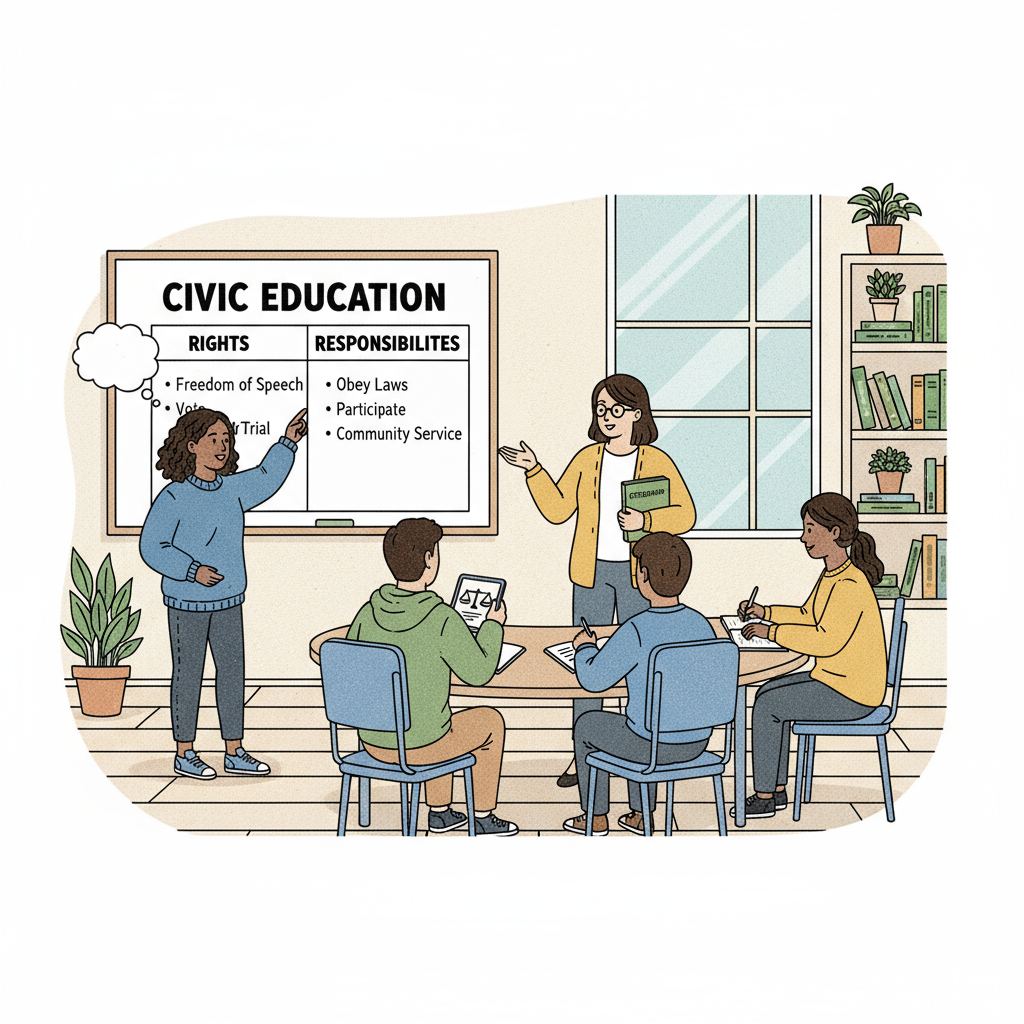
Educational initiatives that promote civic participation and political literacy are helping prepare young citizens for active involvement in democratic systems.
Challenges Facing Political Systems
Despite technological advancements and increased public participation, political systems continue to face significant challenges.
Political Polarization
Increasing ideological divisions can make consensus-building and effective governance more difficult. Encouraging constructive dialogue and mutual understanding remains a priority for democratic societies.
Misinformation and Disinformation
The rapid spread of inaccurate information can undermine public trust and influence political outcomes. Media literacy and responsible communication are essential tools for addressing this challenge.
Trust in Institutions
Many governments and political institutions face declining public trust. Transparency, accountability, and effective leadership are critical for rebuilding confidence and strengthening democratic systems.
The Importance of Civic Engagement
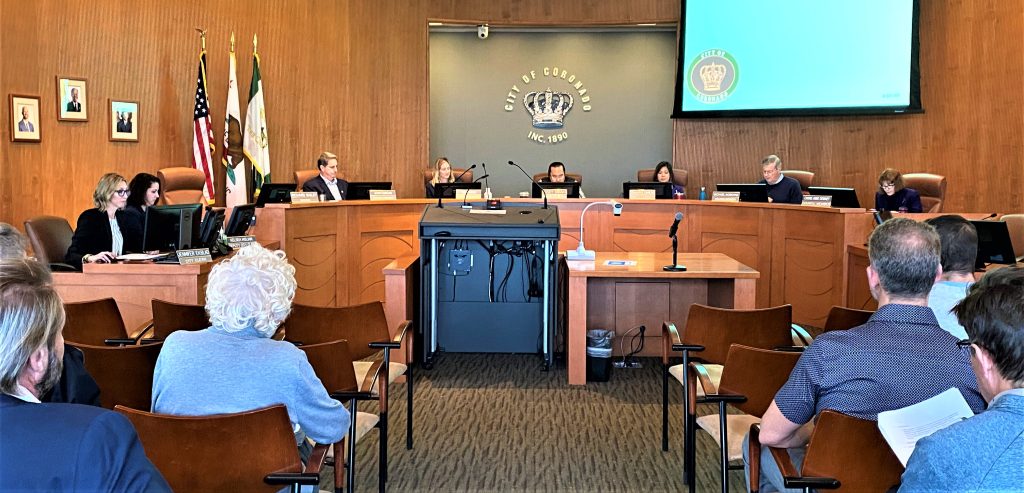
Strong democracies depend on active citizen participation. Voting, community involvement, public discussions, and civic education contribute to healthier political systems.
Technology has created new opportunities for engagement, allowing citizens to connect directly with policymakers and participate in discussions about important issues. However, meaningful engagement also requires informed decision-making and respectful dialogue.
Educational programs that promote civic knowledge help individuals understand their rights, responsibilities, and the importance of participating in democratic processes.
The Future of Political Leadership
Political leadership in 2026 requires a diverse set of skills. Leaders must navigate complex policy challenges, communicate effectively, and build consensus among diverse groups of stakeholders.
Transparency, adaptability, empathy, and strategic thinking are increasingly important qualities for modern political leaders. Citizens expect leaders to address immediate concerns while also planning for long-term challenges.
The integration of technology, data-driven decision-making, and collaborative governance models will continue shaping political leadership in the years ahead.
Looking Ahead: Politics Beyond 2026
The future of politics will be shaped by ongoing technological innovation, demographic changes, environmental challenges, and evolving societal values. Governments and institutions must remain flexible and responsive to changing circumstances.
Collaboration between public and private sectors, international organizations, and civil society will be essential for addressing complex global issues. Political systems that embrace innovation while preserving democratic principles will be better positioned to succeed.
As citizens become more engaged and informed, the demand for transparent, accountable, and effective governance will continue to grow. Political leaders who adapt to these expectations can help create more resilient and inclusive societies.
Conclusion
Politics in 2026 is characterized by rapid change, increased connectivity, and growing public participation. Technology, economic challenges, climate change, and global cooperation are among the key factors influencing political systems around the world.
While significant challenges remain, there are also tremendous opportunities to strengthen democratic institutions, improve governance, and address complex societal issues. Success will depend on effective leadership, informed citizen engagement, and a commitment to collaboration and innovation.
The future of politics is not solely determined by governments and leaders. Citizens, communities, businesses, and organizations all play important roles in shaping the direction of society. By working together, stakeholders can contribute to a more prosperous, sustainable, and inclusive future for generations to come.