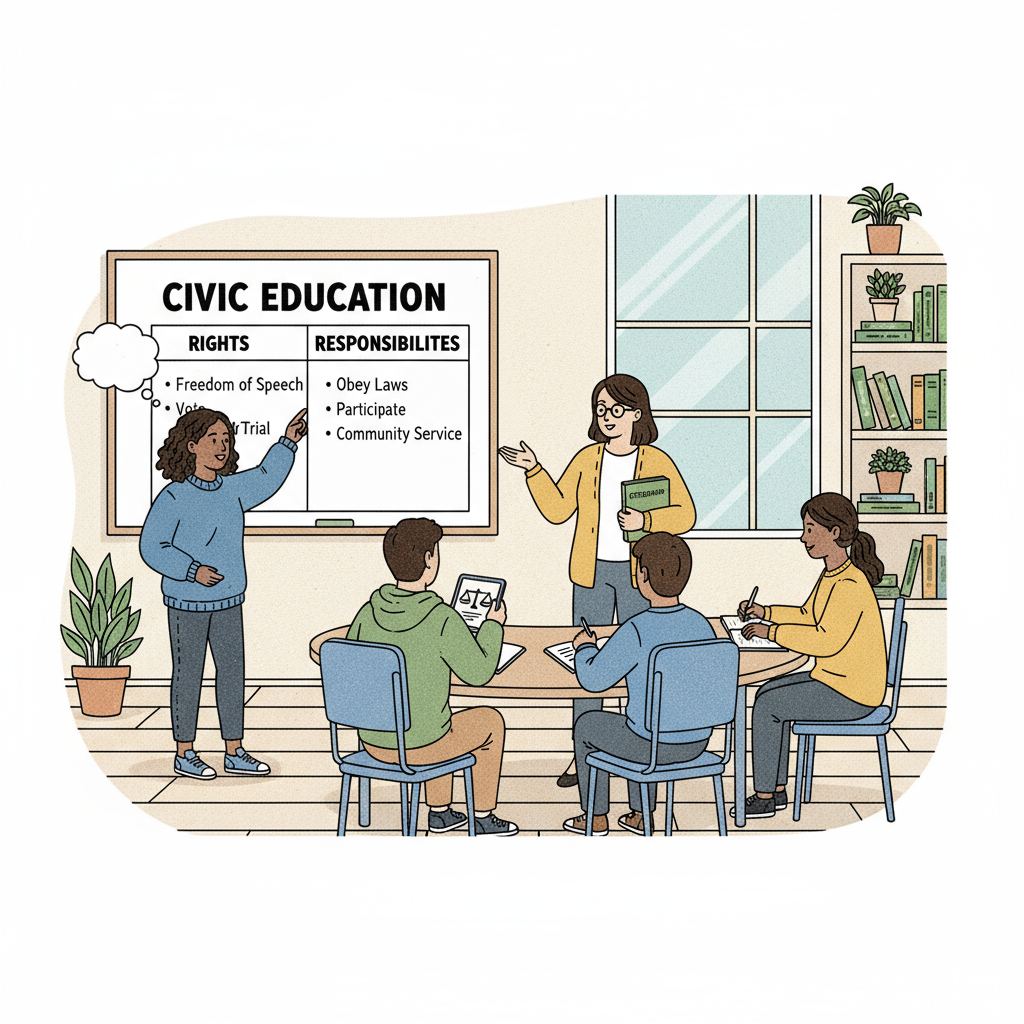
Education has undergone a significant transformation over the past decade, and by 2026, technology has become one of the most influential forces shaping how students learn and teachers teach. Traditional classrooms are evolving into dynamic learning environments supported by artificial intelligence, virtual reality, cloud-based platforms, and personalized learning systems. These innovations are creating new opportunities for students around the world while making education more accessible, engaging, and effective.
The rapid advancement of digital technologies has changed the expectations of learners and educators alike. Students now have access to vast amounts of information at their fingertips, enabling them to learn beyond the boundaries of textbooks and classrooms. Meanwhile, teachers can use data-driven insights to improve instruction and provide personalized support. As educational institutions continue to adapt to the digital age, understanding the future of education has become essential for students, parents, educators, and policymakers.
The Evolution of Modern Education
For centuries, education relied heavily on face-to-face instruction and printed materials. While these methods remain valuable, technological advancements have expanded the possibilities for teaching and learning. Schools and universities are integrating digital tools into their curricula, creating hybrid learning models that combine traditional instruction with online resources.
The COVID-19 pandemic accelerated the adoption of educational technology, demonstrating the importance of flexible and remote learning solutions. Since then, institutions worldwide have invested in digital infrastructure, making technology an integral part of modern education.
Today, students can attend virtual classes, access interactive learning materials, collaborate with peers across the globe, and receive instant feedback on assignments. These developments are reshaping the educational experience and preparing learners for a technology-driven future.
The Rise of Personalized Learning
One of the most significant trends in education is personalized learning. Traditional classroom instruction often follows a one-size-fits-all approach, which may not meet the needs of every student. Technology is changing this by enabling customized learning experiences tailored to individual strengths, weaknesses, and learning styles.
Adaptive Learning Platforms
Adaptive learning systems use artificial intelligence and data analytics to monitor student performance and adjust content accordingly. If a student struggles with a particular concept, the platform provides additional resources and practice exercises. Conversely, advanced learners can progress more quickly through the material.
Self-Paced Learning
Online learning platforms allow students to learn at their own pace. This flexibility helps learners balance education with other responsibilities while ensuring they fully understand concepts before moving forward.
Improved Student Engagement
Personalized content keeps students engaged by presenting information in ways that align with their interests and abilities. This approach increases motivation and improves learning outcomes.
Artificial Intelligence in Education
Artificial intelligence is playing an increasingly important role in educational institutions. AI-powered tools are helping teachers automate administrative tasks, analyze student data, and provide individualized support.
Intelligent Tutoring Systems
AI tutors can answer student questions, explain complex concepts, and provide real-time feedback. These systems offer additional support outside regular classroom hours, making learning more accessible.
Automated Assessment
Teachers spend significant time grading assignments and exams. AI-driven assessment tools can evaluate multiple-choice tests, essays, and other assignments quickly and accurately, allowing educators to focus more on instruction.
Predictive Analytics
Educational institutions use predictive analytics to identify students who may be at risk of falling behind. Early intervention strategies can then be implemented to improve academic success and reduce dropout rates.
Virtual Reality and Augmented Reality Learning
Virtual Reality (VR) and Augmented Reality (AR) are transforming how students interact with educational content. These immersive technologies make learning more engaging by allowing students to experience concepts rather than simply reading about them.
For example, history students can virtually visit ancient civilizations, while biology students can explore the human body in three dimensions. Engineering students can practice complex procedures in virtual environments without real-world risks.
AR applications overlay digital information onto the physical world, enhancing classroom experiences and helping students visualize difficult concepts. As these technologies become more affordable, their adoption in education is expected to increase significantly.
Online Learning and Global Access
The internet has made education more accessible than ever before. Students from remote regions can now access high-quality educational resources and courses offered by leading institutions worldwide.
Massive Open Online Courses (MOOCs)
MOOCs provide affordable or free access to educational content from universities and industry experts. Learners can develop new skills, earn certifications, and advance their careers without attending traditional classes.
Global Collaboration
Online platforms enable students from different countries to collaborate on projects, exchange ideas, and learn from diverse perspectives. These experiences foster cultural understanding and prepare students for global careers.
Flexible Learning Opportunities
Working professionals can pursue further education through online programs without disrupting their careers. This flexibility supports lifelong learning and continuous skill development.
The Importance of Digital Literacy
As technology becomes central to education and employment, digital literacy is emerging as a critical skill. Students must learn how to use digital tools effectively, evaluate online information, and protect their privacy and security.
Educational institutions are incorporating digital literacy into their curricula to ensure students can navigate the modern digital landscape confidently. These skills are essential for academic success and future employment opportunities.
Challenges Facing Educational Technology
Despite its many benefits, educational technology also presents challenges. Access to devices and reliable internet remains a significant barrier in some regions, contributing to the digital divide.
Data privacy and cybersecurity concerns are becoming increasingly important as schools collect and store student information. Institutions must implement robust security measures to protect sensitive data.
Additionally, excessive screen time can affect student well-being. Educators must strike a balance between digital learning and traditional activities that promote physical and social development.
The Changing Role of Teachers
Technology is not replacing teachers; rather, it is transforming their role. Educators are becoming facilitators, mentors, and guides who help students navigate information and develop critical thinking skills.
Teachers use technology to create engaging lessons, monitor student progress, and provide individualized support. Professional development programs are helping educators acquire the skills needed to integrate technology effectively into their teaching practices.
Human interaction remains a crucial component of education. While technology enhances learning, teachers continue to play an essential role in fostering creativity, collaboration, and emotional development.
Skills for the Future Workforce
The future workforce will require a combination of technical and soft skills. Educational institutions are adapting their programs to prepare students for emerging career opportunities.
Critical Thinking
Students must learn how to analyze information, solve complex problems, and make informed decisions in rapidly changing environments.
Creativity and Innovation
Automation is handling many routine tasks, increasing the value of creativity and innovative thinking. Schools are encouraging students to develop these skills through project-based learning.
Collaboration and Communication
Modern workplaces emphasize teamwork and effective communication. Educational programs are incorporating collaborative activities to help students build these essential competencies.
Technological Proficiency
Understanding digital tools, coding, data analysis, and emerging technologies will remain crucial for future career success across industries.
The Future Outlook for Education
The future of education will likely involve greater integration of artificial intelligence, immersive technologies, and personalized learning systems. Educational experiences will become increasingly flexible, allowing students to learn anytime and anywhere.
Institutions will continue leveraging data analytics to improve student outcomes and optimize teaching strategies. As technology advances, educators will gain access to even more sophisticated tools for supporting diverse learning needs.
Collaboration between governments, educational institutions, technology companies, and communities will be essential to ensure equitable access to quality education worldwide.
Conclusion
Technology is fundamentally transforming education in 2026. From personalized learning and artificial intelligence to virtual reality and global online classrooms, digital innovations are reshaping how knowledge is delivered and acquired.
While challenges such as digital access and data security remain, the benefits of educational technology are undeniable. Students can access learning opportunities that were once unimaginable, while educators can provide more effective and personalized instruction.
As the education sector continues to evolve, embracing technology responsibly will be key to preparing future generations for success in an increasingly digital world. The future of education is not just about technology itself but about using it to create meaningful, inclusive, and lifelong learning experiences for all.