Education has always been the foundation of progress and development in society. However, the way we learn and teach has changed dramatically over the last decade. In 2026, technology is no longer just a supporting tool in education — it has become the central driver of transformation. From online classrooms to artificial intelligence tutors, the education sector is evolving faster than ever before.
The traditional classroom model, where students sit in rows and listen to lectures for hours, is being replaced with interactive, personalized, and technology-driven learning experiences. This shift is not only improving access to education but also enhancing the quality of learning worldwide.
The Rise of Online Learning Platforms
Online education platforms have grown significantly in recent years. Students can now access world-class courses from top universities and instructors without leaving their homes. Platforms offering video lectures, quizzes, and live sessions have made learning flexible and convenient.
This model allows students to learn at their own pace. Whether someone is a full-time employee or a stay-at-home parent, online education provides opportunities to continue learning without disrupting daily responsibilities.
Artificial Intelligence in Education
Personalized Learning Experience
Artificial Intelligence (AI) is helping educators create customized learning paths for students. AI-powered systems analyze student performance and adapt lessons according to their strengths and weaknesses. This ensures that no student is left behind.
Smart Tutors and Chatbots
AI chatbots and virtual tutors are available 24/7 to answer student queries. These systems provide instant feedback, making learning more interactive and efficient.
Automated Assessment
Teachers can now use AI tools to automatically grade assignments and exams. This reduces workload and allows teachers to focus more on student engagement.
Hybrid Learning Model
The hybrid model combines physical classroom teaching with online resources. Students attend classes in person but also use digital tools for assignments, research, and collaboration. This model offers the best of both worlds — face-to-face interaction and digital flexibility.
Schools and universities are investing in smart boards, digital projectors, and online management systems to improve teaching methods. Hybrid education is expected to become the standard learning approach in the coming years.
Benefits of Technology in Education
Improved Accessibility
Students from remote areas can now access quality education through the internet. This reduces educational inequality and opens opportunities for millions of learners.
Interactive Learning
Videos, animations, simulations, and gamified lessons make learning more engaging. Students understand complex topics more easily through visual explanations.
Skill-Based Education
Modern education focuses more on practical skills rather than theoretical knowledge. Online certifications in digital marketing, programming, graphic design, and other skills help students become job-ready.
Challenges in Modern Education
Digital Divide
Not all students have access to high-speed internet or modern devices. This creates inequality between urban and rural learners.
Screen Time Concerns
Excessive use of digital devices can impact health, including eye strain and reduced physical activity. Schools must balance screen time with physical learning activities.
Data Privacy Issues
With increased use of online platforms, protecting student data has become a major concern. Educational institutions must invest in cybersecurity measures.
The Role of Teachers in the Digital Era
Technology cannot replace teachers — it can only support them. In 2026, teachers act more like mentors and facilitators rather than traditional lecturers. Their role is to guide students, encourage critical thinking, and support personal growth.
Professional development programs are helping teachers learn how to use digital tools effectively. Continuous training ensures that educators remain updated with modern teaching strategies.
Future Trends in Education
Virtual Reality (VR) Learning
VR technology allows students to experience virtual field trips, science experiments, and historical events in immersive environments.
Blockchain Certifications
Blockchain technology is being used to issue secure and verifiable academic certificates.
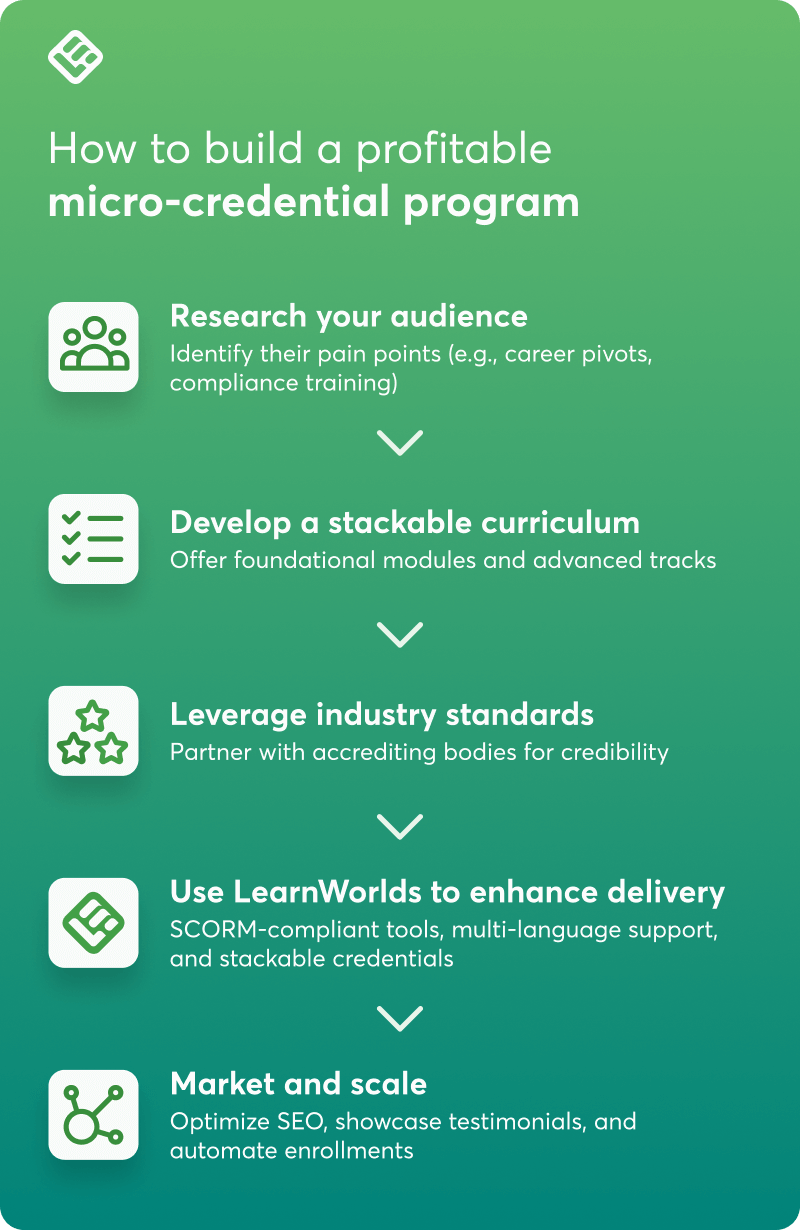
Micro-Learning
Short, focused lessons are becoming popular. Students prefer learning in small segments rather than long lectures.
Conclusion
The future of education in 2026 is digital, flexible, and student-centered. Technology is breaking barriers and making learning accessible to everyone. While challenges like the digital divide and data privacy remain, the benefits of modern education far outweigh the drawbacks.
To succeed in this rapidly evolving world, students and educators must embrace change and continuously adapt. Education is no longer limited to classrooms — it is available anytime, anywhere.