Education has always been the foundation of personal growth and national development. However, the way people learn is changing faster than ever before. In 2026, classrooms are no longer limited to four walls, textbooks are becoming digital resources, and students have access to knowledge from anywhere in the world. Emerging technologies such as artificial intelligence (AI), virtual reality (VR), augmented reality (AR), cloud computing, and personalized learning platforms are reshaping education for learners of all ages.
The modern education system focuses not only on academic knowledge but also on developing creativity, critical thinking, communication, collaboration, and digital literacy. Schools, colleges, universities, and online learning platforms are working together to prepare students for careers that may not even exist today.
This article explores how education is evolving in 2026, the latest trends, the benefits of technology in learning, the challenges educators face, and practical strategies for creating a better learning experience.
1. Artificial Intelligence Is Personalizing Education
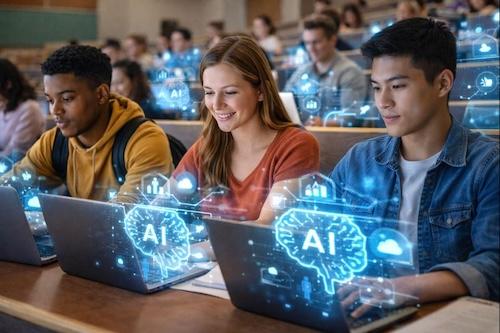
Artificial intelligence has become one of the most influential technologies in education. AI-powered learning platforms analyze students` progress, identify strengths and weaknesses, and recommend personalized learning materials. Instead of following a one-size-fits-all approach, students receive customized lessons based on their individual learning pace.
Teachers also benefit from AI by automating administrative tasks such as grading quizzes, tracking attendance, and generating performance reports. This allows educators to spend more time interacting with students and improving classroom engagement.
Benefits of AI in Education
- Personalized learning experiences.
- Instant feedback for students.
- Reduced workload for teachers.
- Improved academic performance tracking.
- Early identification of learning difficulties.
2. Online Learning Continues to Expand
Online education has become a permanent part of modern learning. Universities, schools, and professional training organizations now offer flexible online courses that allow students to study from anywhere in the world.
Video lectures, interactive assignments, discussion forums, and live virtual classrooms provide learners with high-quality education without geographical limitations. Working professionals also benefit by improving their skills while maintaining full-time employment.
Hybrid education, which combines classroom teaching with online learning, has become one of the most effective educational models in 2026.
Advantages of Online Learning
- Flexible schedules.
- Lower educational costs.
- Access to global instructors.
- Self-paced learning opportunities.
- Learning from any location.
3. Digital Classrooms Improve Student Engagement
Traditional classrooms are being replaced by technology-enabled learning environments. Interactive smart boards, digital textbooks, educational apps, and collaborative online tools make lessons more engaging and interactive.
Students participate in quizzes, group projects, simulations, and multimedia presentations that encourage active learning rather than passive memorization. These digital tools help improve understanding while making education more enjoyable.
Popular Classroom Technologies
- Interactive smart boards.
- Learning management systems (LMS).
- Educational mobile applications.
- Cloud-based collaboration tools.
- Digital textbooks and e-books.
4. Developing Future Skills
Employers increasingly value practical skills alongside academic qualifications. Modern education now focuses on preparing students for future careers by teaching problem-solving, teamwork, creativity, communication, leadership, and adaptability.
Programming, robotics, entrepreneurship, financial literacy, digital marketing, and data analysis are becoming common subjects in schools and universities. These skills help students adapt to rapidly changing industries.
Essential Skills for Future Careers
- Critical thinking.
- Communication.
- Digital literacy.
- Creativity.
- Leadership.
- Problem-solving.
- Collaboration.
5. Virtual Reality and Augmented Reality in Education
Virtual Reality (VR) and Augmented Reality (AR) are creating immersive learning experiences that were impossible just a few years ago. Medical students can practice surgeries virtually, engineering students can examine complex machines in 3D, and history students can explore ancient civilizations through interactive simulations.
These technologies improve understanding by allowing students to experience concepts instead of simply reading about them. As VR and AR devices become more affordable, their use in education continues to grow worldwide.
In Part 2, we`ll cover lifelong learning, teacher development, challenges in modern education, the role of parents, future trends, a conclusion, and frequently asked questions.
6. Lifelong Learning Becomes Essential
Education no longer ends after graduating from school or university. In 2026, lifelong learning has become essential because industries evolve rapidly, and new technologies constantly reshape the job market. Professionals must continue learning throughout their careers to remain competitive.
Online certification programs, professional workshops, webinars, and micro-learning platforms allow individuals to upgrade their skills without leaving their jobs. Employers also encourage continuous learning by offering training programs and tuition assistance for employees.
Benefits of Lifelong Learning
- Improves career opportunities.
- Keeps skills updated.
- Boosts confidence and adaptability.
- Supports career changes.
- Encourages personal development.
7. The Evolving Role of Teachers
Technology has not replaced teachers—it has transformed their role. Modern educators are mentors, facilitators, and guides who help students think critically, solve problems, and apply knowledge in real-world situations.
Teachers now use digital platforms to assign work, monitor student progress, communicate with parents, and create engaging multimedia lessons. Professional development is equally important, ensuring educators stay updated with new teaching strategies and educational technologies.
Characteristics of Effective Modern Teachers
- Strong communication skills.
- Technology proficiency.
- Creative lesson planning.
- Student-centered teaching methods.
- Continuous professional development.
8. Challenges Facing Modern Education
Despite remarkable progress, education systems continue to face several challenges. Limited internet access, unequal access to digital devices, rising education costs, teacher shortages, and cybersecurity concerns remain significant issues in many regions.
Educational institutions must work with governments, technology companies, and communities to ensure every student has equal opportunities to learn regardless of their background or location.
Major Educational Challenges
- Digital divide and internet accessibility.
- Affordability of quality education.
- Student mental health concerns.
- Cybersecurity and data privacy.
- Keeping curricula updated with industry needs.
9. Parents Play a Vital Role in Learning
Parents remain important partners in a child`s educational journey. Technology allows parents to monitor academic progress, communicate with teachers, and support learning at home more effectively than ever before.
Creating a positive learning environment, encouraging curiosity, limiting unnecessary distractions, and promoting healthy study habits help students achieve better academic outcomes. Collaboration between parents and educators contributes significantly to student success.
Ways Parents Can Support Education
- Encourage daily reading.
- Create a quiet study environment.
- Monitor online learning activities.
- Communicate regularly with teachers.
- Support extracurricular activities.
10. Future Trends in Education
The future of education will continue to be shaped by technological innovation and changing workforce demands. Artificial intelligence, virtual reality, blockchain-based academic credentials, adaptive learning systems, and global online collaboration are expected to become even more common.
Educational institutions will place greater emphasis on practical skills, interdisciplinary learning, entrepreneurship, sustainability, and emotional intelligence. Students will have more opportunities to personalize their education according to their interests and career goals.
Emerging Trends
- AI-powered virtual tutors.
- Immersive VR and AR classrooms.
- Blockchain-based digital certificates.
- Gamified learning experiences.
- Global collaborative classrooms.
- Personalized adaptive learning platforms.
Why Digital Literacy Matters
Digital literacy has become one of the most valuable skills students can develop. Beyond simply using computers, digital literacy includes evaluating online information, protecting personal data, understanding cybersecurity, collaborating through digital tools, and using technology responsibly.
Students with strong digital literacy skills are better prepared for higher education and future careers, where technology plays an increasingly important role across nearly every profession.
Conclusion
The education landscape in 2026 is more connected, flexible, and innovative than ever before. Technology has expanded access to knowledge, personalized learning experiences, and created opportunities for students around the world to develop valuable academic and professional skills.
However, technology alone cannot guarantee success. Effective education requires dedicated teachers, supportive parents, motivated students, and equal access to quality learning resources. By combining human expertise with modern technology, educational institutions can prepare learners for the challenges and opportunities of tomorrow.
As the world continues to evolve, education will remain the most powerful investment individuals and societies can make. Those who embrace lifelong learning, adaptability, and continuous skill development will be best positioned to succeed in an increasingly digital future.
Frequently Asked Questions (FAQs)
1. Why is technology important in education?
Technology improves access to learning, supports personalized education, increases student engagement, and helps teachers deliver more effective instruction.
2. What is personalized learning?
Personalized learning adapts educational content, pace, and teaching methods to meet the individual needs and abilities of each student.
3. Will online education replace traditional classrooms?
Online education complements traditional learning, but hybrid models that combine in-person and digital instruction are expected to remain the most effective approach.
4. What skills should students develop for the future?
Students should focus on critical thinking, communication, creativity, digital literacy, leadership, collaboration, and problem-solving alongside academic knowledge.
5. How can parents support their children`s education?
Parents can encourage reading, establish consistent study routines, communicate with teachers, monitor online learning, and provide a supportive home environment that promotes curiosity and lifelong learning.