In a world dominated by fast news, short videos, and social media headlines, feature stories continue to hold a unique and powerful position in digital media. Unlike breaking news, feature articles focus on depth, context, human experiences, and detailed analysis. They inform, inspire, and connect readers emotionally with stories that go beyond surface-level information.
Feature writing has evolved with the rise of digital platforms, but its core purpose remains the same: to tell meaningful stories that matter. In the digital age, where attention spans are short, well-written feature content stands out by offering value, insight, and authenticity.
What Is a Feature Story?
A feature story is a detailed piece of writing that explores a topic, person, event, or issue in depth. Unlike traditional news articles that focus on the “who, what, when, and where,” feature stories emphasize the “how” and “why.”
Features often include background information, expert opinions, real-life examples, and descriptive storytelling. They can cover a wide range of topics, including lifestyle, business, education, health, technology, travel, and social issues.
The Importance of Feature Content Today
Provides Deeper Understanding
Feature articles help readers understand complex topics by presenting them in a clear and engaging manner. They explain trends, challenges, and impacts that short news updates often cannot cover.
Builds Emotional Connection
By focusing on personal stories and real experiences, features create emotional connections with readers. This connection increases engagement and encourages readers to spend more time on content.
Encourages Critical Thinking
Feature stories invite readers to think deeply about issues, ask questions, and explore different perspectives. This makes them especially valuable in an era of misinformation and oversimplified content.
Types of Feature Stories
Human Interest Features
These stories focus on people and their experiences. They highlight emotions, struggles, achievements, and unique journeys that inspire or educate readers.
Trend and Analysis Features
Trend-based features analyze changes in industries, lifestyles, or technologies. They help readers understand where the world is heading and why certain trends matter.
Profiles and Interviews
Profile features focus on individuals such as entrepreneurs, artists, athletes, or leaders. They provide insights into their lives, careers, and impact on society.
Explainer Features
Explainer articles break down complex topics into simple language. These features are highly popular in digital media because they educate readers without overwhelming them.
Feature Writing in the Digital Era
SEO and Long-Form Content
Search engines favor high-quality, in-depth content. Feature articles optimized with relevant keywords, headings, and structured content perform well in search rankings and attract organic traffic.
Visual Storytelling
Images, infographics, and videos enhance feature stories. Visual elements make content more engaging and help readers better understand the subject.
Mobile-Friendly Reading
Most readers consume content on mobile devices. Digital feature writing now focuses on short paragraphs, clear headings, and easy navigation to improve readability.
Why Feature Content Is Valuable for Websites
Increases Time on Page
Well-written feature articles encourage readers to stay longer on a website. This improves user experience and positively impacts SEO performance.
Builds Authority and Trust
Publishing in-depth feature content positions a website as a credible and trustworthy source of information. Readers are more likely to return to platforms that offer quality content.
Supports Brand Storytelling
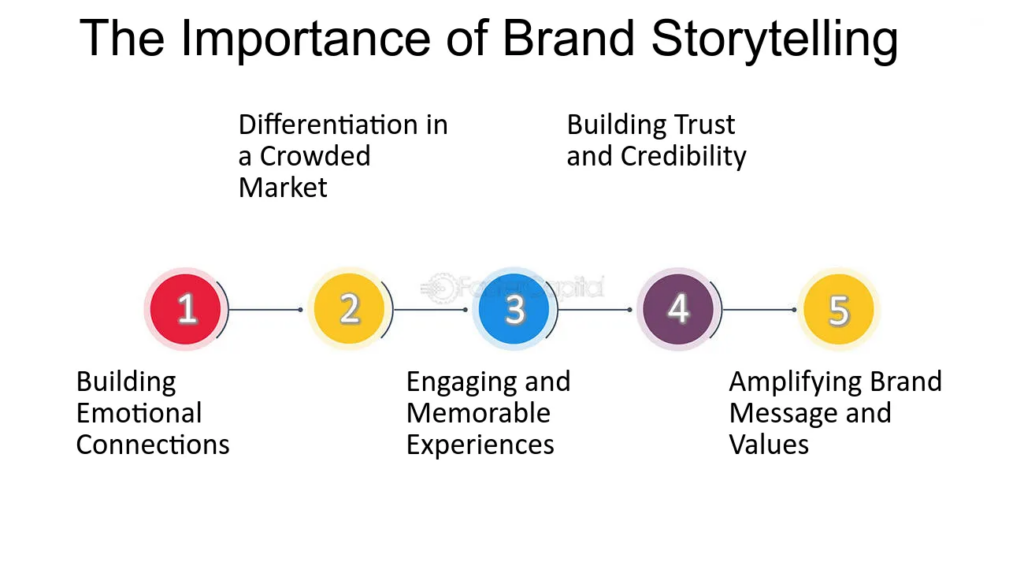
For businesses and organizations, feature stories are powerful tools for brand storytelling. They communicate values, mission, and impact in a meaningful way.
Challenges in Feature Writing
Research and Accuracy
Feature writing requires thorough research and fact-checking. Inaccurate information can damage credibility and trust.
Maintaining Reader Interest
Keeping readers engaged in long-form content can be challenging. Writers must use compelling introductions, storytelling techniques, and clear structure.
Time and Effort
Creating high-quality feature content takes time and effort. However, the long-term benefits often outweigh the investment.
The Future of Feature Stories
Despite the rise of short-form content, feature stories are not disappearing. Instead, they are evolving. Interactive features, multimedia storytelling, and data-driven narratives are shaping the future of feature journalism.
As audiences seek meaningful and trustworthy content, feature stories will continue to play a vital role in digital publishing.
Conclusion
Feature stories remain one of the most powerful forms of content in the digital age. They provide depth, context, and emotional connection that short news pieces cannot offer.
For websites, publishers, and brands, investing in high-quality feature content is essential for building authority, engaging audiences, and standing out in an increasingly crowded digital space.