In a fast-paced digital world dominated by short videos, headlines, and quick updates, feature stories continue to hold a special place in media and content creation. Unlike breaking news or short articles, feature stories dive deep into topics, people, trends, and experiences, offering readers context, emotion, and insight.
Feature writing focuses on storytelling. It informs, educates, and engages readers on a deeper level. In this article, we explore what feature stories are, why they remain relevant in the digital age, and how they add value to modern websites and online platforms.
What Is a Feature Story?
A feature story is a long-form piece of content that goes beyond basic facts. It explores a subject in detail, often using descriptive language, interviews, real-life examples, and background information.
Unlike news articles, feature stories are not time-sensitive. They focus on human interest, trends, lifestyle, culture, technology, or inspiring journeys, making them valuable long after publication.
Key Characteristics of Feature Articles
Feature stories are known for their engaging introductions, detailed explanations, and strong conclusions. They often use storytelling techniques to connect with readers emotionally.
Other important characteristics include depth, creativity, research, and a conversational tone that keeps readers interested from start to finish.
Types of Feature Content
1. Human Interest Features
Human interest stories focus on people and their experiences. These features highlight personal struggles, success stories, and emotional journeys that inspire or educate readers.
Such stories build empathy and create a strong emotional connection between the audience and the subject.
2. Lifestyle and Culture Features
Lifestyle features cover topics such as fashion, food, travel, health, and social trends. Cultural features explore traditions, art, entertainment, and changing societal norms.
These articles help readers understand different perspectives and stay informed about evolving lifestyles.
3. Technology and Innovation Features
Technology feature stories explain complex innovations in a simple and engaging way. They explore how new technologies impact businesses, society, and daily life.
By providing context and real-world applications, these features make technology more accessible to a wider audience.
Why Feature Stories Matter in the Digital Age
While short-form content is popular on social media, long-form feature stories perform exceptionally well on websites and blogs. They keep readers engaged for longer periods, reducing bounce rates and increasing time on site.
Search engines also favor high-quality, in-depth content, making feature articles valuable for search engine optimization (SEO).
Building Trust and Authority
Feature stories help establish a website as a credible and authoritative source. Well-researched and thoughtfully written content builds trust with readers and encourages repeat visits.
Audiences are more likely to share feature articles that provide value, insight, or inspiration.
Role of Feature Content in Website Growth
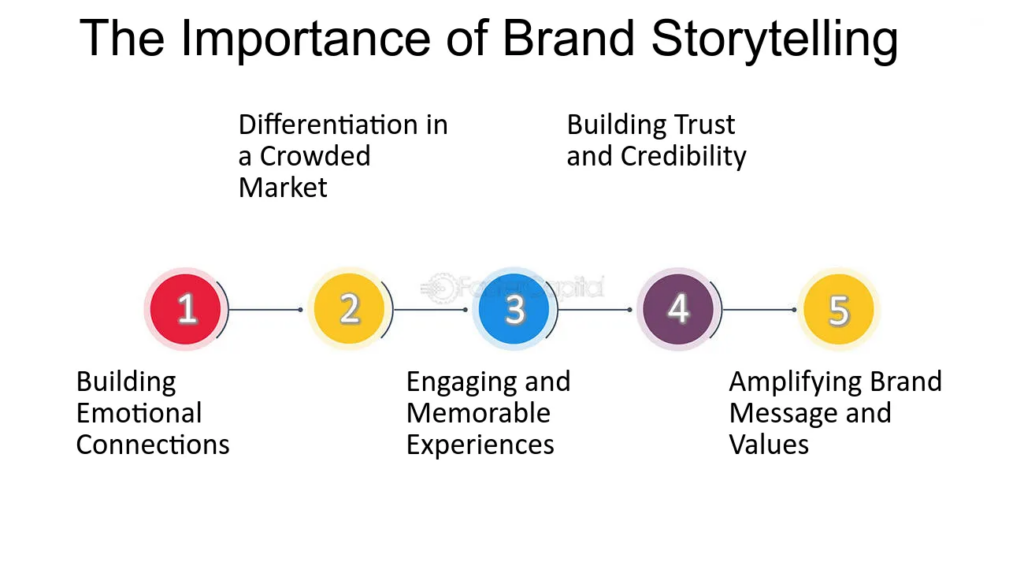
For websites and blogs, feature content plays a critical role in brand building. It allows publishers to express their voice, values, and expertise in a meaningful way.
Feature articles also support monetization strategies by attracting loyal readers, advertisers, and partnerships.
Enhancing User Experience
A well-structured feature article with headings, images, and clear paragraphs improves readability and user experience. Readers feel more comfortable exploring long content when it is visually appealing and easy to navigate.
This positive experience increases engagement and encourages users to explore more content on the website.
Challenges in Writing Feature Stories
Writing a compelling feature story requires time, research, and creativity. Writers must balance factual accuracy with storytelling to keep readers interested.
Another challenge is maintaining originality in a highly competitive digital space. Unique angles and fresh perspectives are essential for standing out.
Maintaining Reader Attention
In the digital era, attention spans are short. Feature writers must use strong introductions, engaging subheadings, and relevant visuals to hold the reader’s interest throughout the article.
Clear structure and meaningful content are key to successful feature writing.
The Future of Feature Content
The future of feature stories lies in multimedia integration. Combining text with images, videos, infographics, and interactive elements enhances storytelling and engagement.
As audiences seek depth and authenticity, feature content will continue to play a vital role in digital media and online publishing.
Conclusion
Feature stories remain a powerful form of content in the digital age. They offer depth, context, and emotional connection that short-form content cannot always provide.
By investing in high-quality feature writing, websites can build authority, engage audiences, and create lasting value in an ever-evolving digital landscape.