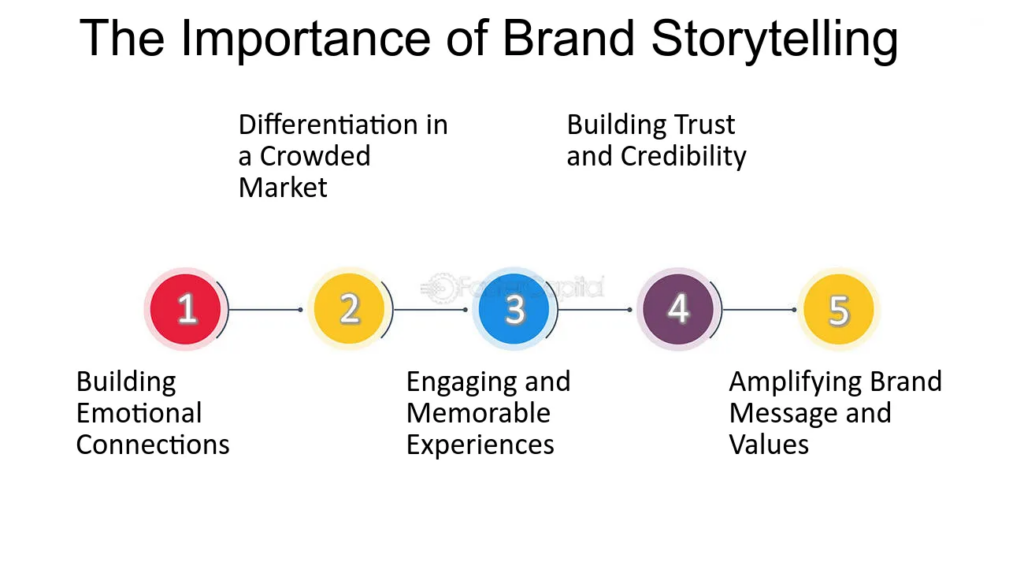
In the fast-paced digital world, information is everywhere. News breaks in seconds, social media feeds refresh endlessly, and attention spans are shorter than ever. Despite this rapid flow of content, feature-driven articles continue to hold a special place in digital media. Feature stories go beyond headlines and breaking news, offering depth, emotion, and context that readers deeply value.
What Is Feature Content?
Feature content refers to long-form, in-depth articles that explore a topic comprehensively. Unlike news reports that focus on facts and immediacy, feature stories emphasize storytelling, analysis, and human connection.
These articles often highlight real-life experiences, trends, innovations, or social issues. Feature writing aims to inform, engage, and inspire readers by presenting information in a compelling and relatable way.
The Evolution of Feature Writing
Traditionally, feature articles were found in newspapers and magazines. With the rise of digital media, feature writing has evolved significantly. Online platforms now allow writers to combine text with images, videos, and interactive elements, enhancing the reader’s experience.
Digital features are no longer limited by page counts. Writers have the freedom to explore topics in greater detail, making feature content a powerful tool for storytelling and audience engagement.
Why Feature Content Is Important Today
In a world dominated by short-form content, feature articles stand out by offering substance. Readers seeking meaningful insights and well-researched perspectives are drawn to long-form content.
Search engines also favor high-quality, detailed articles. Feature content improves website authority, increases time spent on pages, and boosts overall SEO performance.
Building Trust and Credibility
Well-written feature articles establish trust with readers. By providing accurate information, expert opinions, and thoughtful analysis, feature content positions a brand or website as a reliable source.
Readers are more likely to return to platforms that consistently deliver valuable and insightful feature stories.
Emotional Connection with Readers
Feature stories often include personal experiences and narratives that evoke emotions. This emotional connection helps readers relate to the content and remember it for a longer time.
Such engagement encourages sharing, discussions, and repeat visits, strengthening audience loyalty.
Types of Feature Articles
Feature content comes in many forms, each serving a unique purpose. Understanding these types helps content creators choose the right format for their audience.
Human Interest Features
These stories focus on people and their experiences. They highlight struggles, achievements, and inspiring journeys, making them highly engaging and relatable.
Trend and Industry Features
Trend-based feature articles analyze emerging patterns in industries such as technology, business, fashion, or health. These articles help readers stay informed about future developments.
Explainer Features
Explainer articles break down complex topics into simple, easy-to-understand content. They are especially useful for educating readers about technical or unfamiliar subjects.
Role of Visuals in Feature Content
Images play a crucial role in feature articles. High-quality visuals enhance storytelling and help readers visualize concepts and emotions discussed in the article.
In digital features, images, infographics, and videos work together to create an immersive reading experience that keeps audiences engaged.
Challenges in Creating Feature Content
Creating feature content requires time, research, and creativity. Writers must ensure accuracy while maintaining an engaging narrative flow.
Balancing depth with readability is another challenge. Feature articles should be detailed but not overwhelming, ensuring readers remain interested throughout.
Consistency and Quality
Maintaining consistent quality in feature content can be demanding. Each article must offer unique value and fresh perspectives to stand out in a crowded digital space.
The Future of Feature Content
The future of feature writing looks promising as audiences continue to seek meaningful and authentic content. Interactive features, multimedia storytelling, and data-driven narratives will shape the next generation of feature articles.
As technology evolves, feature content will remain a cornerstone of digital publishing, bridging the gap between information and storytelling.
Conclusion
Feature-driven content plays a vital role in modern digital media. It provides depth, builds trust, and creates emotional connections that short-form content often lacks.
For websites and publishers aiming to stand out, investing in high-quality feature articles is not just beneficial—it is essential for long-term success.