Sports have been an integral part of human culture for centuries, providing entertainment, promoting health, and building communities. From traditional games to modern professional leagues, sports continue to evolve, influencing society, culture, and global entertainment.
Historical Perspective of Sports
Traditional sports such as wrestling, archery, and running were practiced by ancient civilizations for physical fitness, military training, and cultural rituals. Over time, these activities became organized competitions with established rules, forming the foundation of modern sports.
Olympic games, first held in ancient Greece, exemplify the long-standing importance of sports in human society.
The Rise of Modern Sports
Professional Leagues and Competitions
In the 19th and 20th centuries, sports became professionalized with leagues, clubs, and organized competitions. Football, basketball, cricket, and tennis gained global popularity, attracting fans and sponsorships.
Professional sports provide entertainment, economic opportunities, and social engagement, creating a global sports industry worth billions.
Technological Advancements in Sports
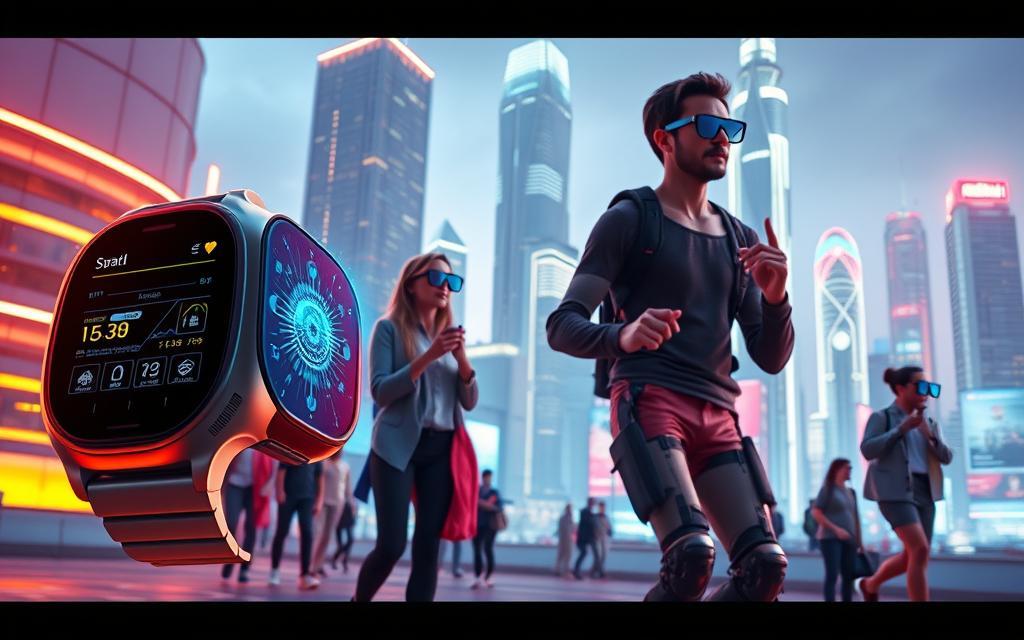
Technology has transformed training, performance analysis, and fan engagement. Wearable devices track athlete performance, while video replay systems ensure fair play in competitions.
Broadcasting and streaming technologies have brought sports to global audiences, making fans feel closer to live events than ever before.
Health and Social Benefits of Sports
Physical Fitness and Mental Health
Participating in sports promotes physical fitness, builds strength, and improves cardiovascular health. Team sports and recreational activities also enhance mental health by reducing stress and boosting mood.
Community and Teamwork
Sports foster social interaction, teamwork, and leadership skills. Communities gather to support local teams, creating social cohesion and shared identity.
Participation in sports encourages discipline, resilience, and goal-setting among athletes and fans alike.
Globalization and Sports
International Competitions
Events like the FIFA World Cup, Olympics, and international cricket tournaments connect people from different countries and cultures. Global sports competitions promote cultural exchange, diplomacy, and mutual respect.
Commercialization and Media Influence
Commercial sponsorships, advertisements, and media coverage have transformed sports into a major entertainment industry. Athletes become global celebrities, and major events attract millions of viewers worldwide.
Challenges in Modern Sports
Despite its popularity, modern sports face challenges such as corruption, doping, and inequality. Gender and socioeconomic disparities limit access to opportunities for some athletes.
Addressing these issues is essential to maintain fairness, integrity, and inclusivity in sports.
Future of Sports
The future of sports is increasingly digital and data-driven. Virtual reality, augmented reality, and advanced analytics are revolutionizing training, fan experience, and broadcasting.
E-sports and online competitions are gaining recognition, expanding the definition of sports in the 21st century.
Conclusion
Sports continue to evolve, blending tradition with technology to create exciting experiences for participants and fans. Beyond entertainment, sports promote health, teamwork, and global unity.
By embracing innovation while preserving fairness and inclusivity, the world of sports will continue to inspire and connect people across generations.