Politics shapes the world we live in, influencing policies, economies, and social dynamics. Understanding the current global political landscape is crucial for citizens, businesses, and governments to navigate complex international relationships and local governance.
Over the past decade, global politics have been marked by shifting alliances, rising populism, technological impacts, and geopolitical tensions. These changes affect trade, diplomacy, security, and public opinion. This article explores the key trends, challenges, and opportunities in today’s political environment.
Major Political Trends Globally
One major trend is the rise of populist leaders and movements in multiple countries. Populism often focuses on appealing to the common people and challenging established political institutions. While it can bring attention to underrepresented issues, it may also lead to political instability and polarization.
Another trend is the growing importance of technology in politics. Social media, data analytics, and AI-driven platforms are shaping political campaigns, public engagement, and information dissemination, often influencing elections and public perception.
Geopolitical Conflicts and Alliances
International relations remain complex, with alliances and conflicts shaping global dynamics. Major powers compete for influence in trade, military presence, and strategic regions. Diplomatic negotiations and multilateral organizations play key roles in resolving conflicts and promoting cooperation.
Understanding these alliances and conflicts is critical for policymakers and global businesses. Trade agreements, sanctions, and international collaborations impact economies and citizens worldwide.
Regional Conflicts and Impact
Regional conflicts, whether political, ethnic, or economic, influence global stability. Countries must balance internal governance with external relations, often mediating or intervening in neighboring regions to maintain security and peace.
Domestic Politics and Policy Making
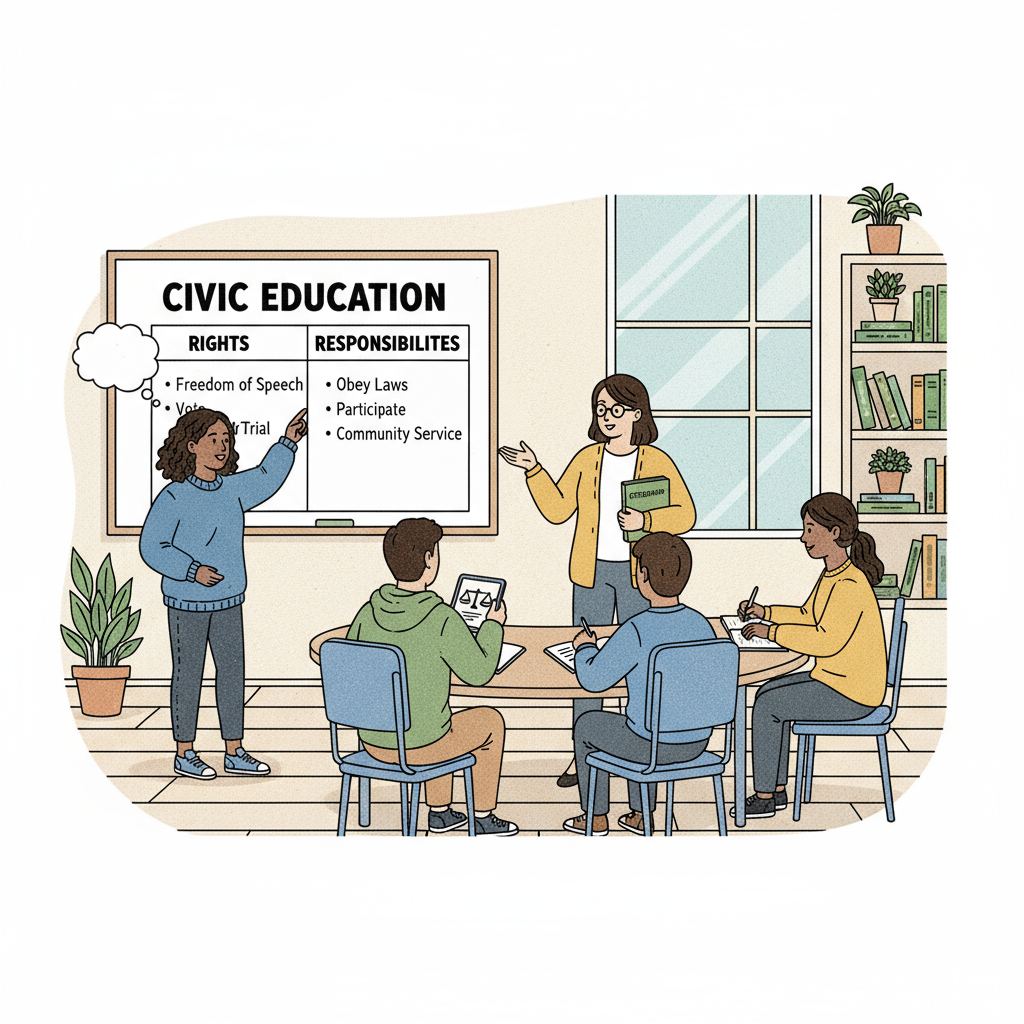
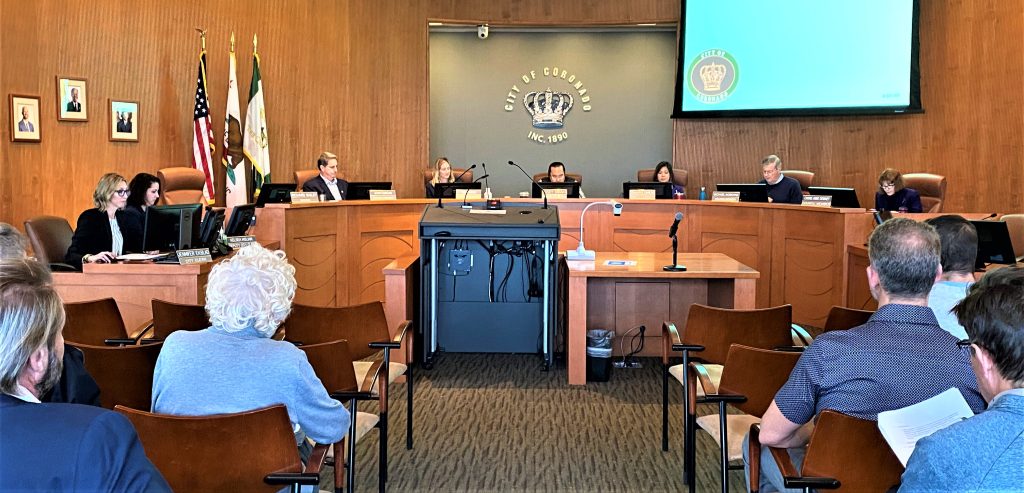
Domestic politics shape the daily lives of citizens. Policy decisions regarding healthcare, education, taxation, and social welfare impact communities directly. Understanding the local political climate is crucial for engagement and advocacy.
Effective policymaking requires collaboration, transparency, and accountability. Citizens’ participation through voting, advocacy, and public debate ensures a healthy democratic process.
The Role of Media in Politics
Media plays a central role in informing, shaping opinions, and holding leaders accountable. Traditional news outlets, online platforms, and social media channels provide citizens with information about policies, elections, and political events.
However, the spread of misinformation and biased reporting can influence public perception and trust. Media literacy is essential for understanding facts, analyzing sources, and making informed decisions.
Challenges in Modern Politics
Global and domestic politics face several challenges. Political polarization, corruption, climate change, economic inequality, and migration issues demand effective governance and collaboration. Leaders must navigate competing interests while prioritizing public welfare.
Additionally, cyber threats and digital manipulation pose risks to electoral integrity and political stability. Nations are investing in cybersecurity and regulations to safeguard democratic processes.
The Future of Politics
The future of politics will likely involve greater citizen engagement, technology integration, and global cooperation. Governments may adopt more transparent, inclusive, and data-driven approaches to policymaking.
Understanding global trends, adapting to challenges, and fostering collaboration are essential for building resilient political systems that serve both citizens and the international community.
Conclusion
Politics continues to shape our world, influencing economies, societies, and international relations. Staying informed about political developments and trends empowers citizens, organizations, and leaders to navigate the complexities of modern governance effectively.
By understanding global and domestic political landscapes, individuals can engage responsibly, advocate for positive change, and contribute to the development of stable, inclusive, and prosperous societies.