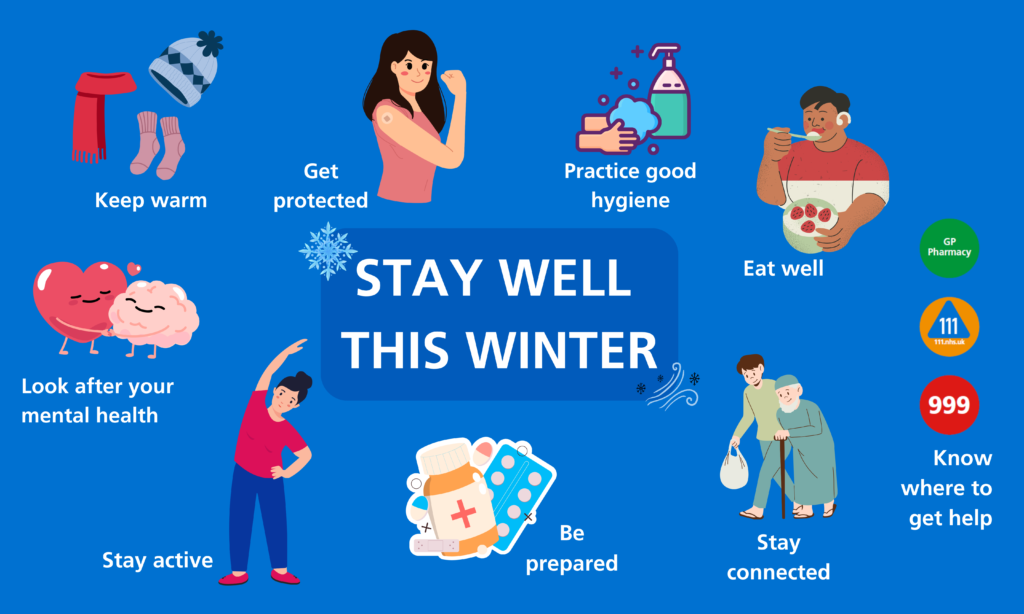
Health and fitness have become more important than ever in today`s fast-paced world. As technology advances and work becomes increasingly digital, many people spend long hours sitting in front of computers or using mobile devices. While technology makes life easier, it also creates new health challenges such as physical inactivity, stress, poor posture, and unhealthy eating habits.
In 2026, maintaining a healthy lifestyle is no longer just about exercising occasionally. It involves regular physical activity, balanced nutrition, quality sleep, mental well-being, proper hydration, and healthy daily habits. Whether your goal is to lose weight, build muscle, improve endurance, or simply feel more energetic, adopting a complete health and fitness routine can transform your life.
Why Health & Fitness Matter
A healthy body supports a healthy mind. Regular exercise and proper nutrition reduce the risk of chronic diseases, improve mental health, strengthen the immune system, and enhance overall quality of life. Healthy individuals also tend to be more productive, confident, and resilient in both personal and professional settings.
1. Create a Balanced Nutrition Plan
Nutrition is the foundation of good health. Your body requires a combination of carbohydrates, proteins, healthy fats, vitamins, minerals, and fiber to function efficiently.
Healthy Food Choices
- Fresh fruits and vegetables.
- Whole grains.
- Lean proteins such as chicken, fish, eggs, and beans.
- Healthy fats from nuts, seeds, and olive oil.
- Low-fat dairy products.
- Plenty of water throughout the day.
Limiting processed foods, sugary beverages, and excessive fast food intake can significantly improve overall health.
2. Exercise Regularly
Regular physical activity strengthens muscles, improves heart health, increases flexibility, and boosts energy levels. Experts recommend at least 150 minutes of moderate exercise per week.
Popular Exercise Types
- Walking and jogging.
- Strength training.
- Cycling.
- Swimming.
- Yoga.
- High-Intensity Interval Training (HIIT).
Choose activities that you enjoy to make exercise a consistent part of your routine.
3. Stay Hydrated
Water plays a vital role in digestion, temperature regulation, joint lubrication, and nutrient transportation. Proper hydration also supports physical performance and mental concentration.
Benefits of Drinking Enough Water
- Improves energy levels.
- Supports healthy skin.
- Enhances digestion.
- Regulates body temperature.
- Reduces fatigue.
- Improves exercise performance.
4. Prioritize Quality Sleep
Sleep is essential for recovery, hormone regulation, memory, and immune function. Adults generally benefit from 7–9 hours of quality sleep each night.
Tips for Better Sleep
- Maintain a consistent bedtime.
- Avoid screens before sleeping.
- Keep your bedroom cool and quiet.
- Limit caffeine in the evening.
- Create a relaxing bedtime routine.
5. Improve Mental Health
Mental health is equally important as physical fitness. Managing stress effectively contributes to emotional well-being and overall happiness.
Healthy Stress Management Techniques
- Meditation.
- Deep breathing exercises.
- Mindfulness practices.
- Reading books.
- Spending time with family and friends.
- Enjoying hobbies.
A positive mindset supports long-term health and personal growth.
6. Build Strength Through Resistance Training
Strength training helps increase muscle mass, strengthen bones, improve posture, and boost metabolism. It is beneficial for people of all ages.
Resistance Training Options
- Free weights.
- Resistance bands.
- Bodyweight exercises.
- Weight machines.
- Functional fitness training.
7. Track Your Fitness Progress
Monitoring your progress helps maintain motivation and identify areas for improvement. Fitness apps and wearable devices can track activity, heart rate, calories burned, sleep quality, and workout performance.
Useful Metrics
- Daily steps.
- Workout duration.
- Calories burned.
- Heart rate.
- Body measurements.
- Sleep quality.
will cover immunity, healthy habits, fitness technology, common mistakes, future trends, practical fitness tips, conclusion, and SEO-friendly FAQs while continuing the same HTML format.
8. Strengthen Your Immune System
A strong immune system helps the body defend itself against illnesses and infections. While no single food or supplement can prevent every disease, maintaining healthy daily habits can significantly improve your body`s natural defenses.
Ways to Boost Immunity
- Eat a variety of fruits and vegetables.
- Exercise consistently.
- Get 7–9 hours of quality sleep.
- Manage stress effectively.
- Drink plenty of water.
- Avoid smoking and limit alcohol consumption.
Healthy lifestyle choices work together to support long-term immune health.
9. Develop Healthy Daily Habits
Long-term fitness success is built through small, consistent habits rather than short-term motivation. Establishing healthy routines makes it easier to stay on track with your wellness goals.
Healthy Habits to Practice
- Start the day with a nutritious breakfast.
- Take regular movement breaks if you sit for long periods.
- Prepare healthy meals in advance.
- Stretch before and after exercise.
- Limit sugary snacks and soft drinks.
- Maintain a consistent workout schedule.
Consistency is more effective than occasional intense efforts.
10. Use Fitness Technology Wisely
Modern fitness technology makes it easier to monitor health and stay motivated. Smartwatches, fitness bands, and mobile apps provide real-time insights into physical activity and wellness.
Popular Fitness Features
- Step counting.
- Heart rate monitoring.
- Workout tracking.
- Sleep analysis.
- Hydration reminders.
- Personal fitness coaching.
Technology should support healthy habits, not replace regular exercise and balanced nutrition.
11. Common Health & Fitness Mistakes
Many people struggle to achieve their goals because of avoidable mistakes. Understanding these common challenges can help you stay on the right path.
Mistakes to Avoid
- Skipping warm-up and cool-down exercises.
- Following extreme diets.
- Ignoring proper hydration.
- Overtraining without enough recovery.
- Getting insufficient sleep.
- Setting unrealistic fitness goals.
Balanced, sustainable habits produce better long-term results than quick fixes.
12. Future Health & Fitness Trends
- AI-powered personalized workout plans.
- Virtual fitness coaching.
- Wearable health monitoring devices.
- Home smart gyms.
- Virtual Reality fitness experiences.
- Nutrition tracking powered by AI.
- Hybrid online and in-person training programs.
- Greater focus on mental wellness.
These innovations are making health and fitness more accessible, personalized, and engaging for people of all ages.
Practical Tips for a Healthier Lifestyle
- Exercise at least five days each week.
- Eat balanced meals rich in whole foods.
- Drink enough water every day.
- Maintain a regular sleep schedule.
- Manage stress through mindfulness or relaxation techniques.
- Avoid prolonged sitting by taking short activity breaks.
- Track your progress and celebrate small achievements.
Conclusion
Health and fitness are lifelong commitments that require balance, consistency, and patience. Regular physical activity, nutritious eating, quality sleep, proper hydration, and positive mental health habits work together to create a healthier and more fulfilling life.
In 2026, technology provides excellent tools to support wellness, but lasting success still depends on making smart daily choices. By building healthy habits and staying committed to your goals, you can improve your physical fitness, boost your energy, reduce health risks, and enjoy a better quality of life for years to come.
Frequently Asked Questions (FAQ)
How much exercise should adults get each week?
Most adults should aim for at least 150 minutes of moderate-intensity exercise or 75 minutes of vigorous exercise each week, along with strength training on two or more days.
Why is hydration important during exercise?
Proper hydration helps regulate body temperature, supports muscle function, improves endurance, and reduces the risk of dehydration-related fatigue.
Can I improve my fitness without joining a gym?
Yes. Walking, jogging, cycling, home workouts, yoga, bodyweight exercises, and outdoor activities can all help improve fitness without requiring a gym membership.
What is the role of sleep in fitness?
Sleep supports muscle recovery, hormone balance, immune function, mental performance, and overall physical health, making it an essential part of any fitness routine.
What is the most effective way to maintain a healthy lifestyle?
The most effective approach combines balanced nutrition, regular physical activity, adequate sleep, stress management, proper hydration, and consistent healthy habits over the long term.