Politics in 2026 is evolving rapidly, shaped by technological advancements, shifting public expectations, and global challenges. Governments, leaders, and citizens are navigating a complex landscape where transparency, accountability, and digital engagement play a critical role. The traditional structures of politics are being redefined as new voices emerge and people demand more inclusive governance.
In today’s interconnected world, political decisions are no longer confined within borders. Globalization and digital communication have created a system where events in one country can influence policies and public opinion across the globe.
The Rise of Digital Politics
Digital platforms have become central to political communication. Social media, online campaigns, and digital news outlets allow leaders to connect directly with citizens. This has increased accessibility but also introduced challenges such as misinformation and polarization.
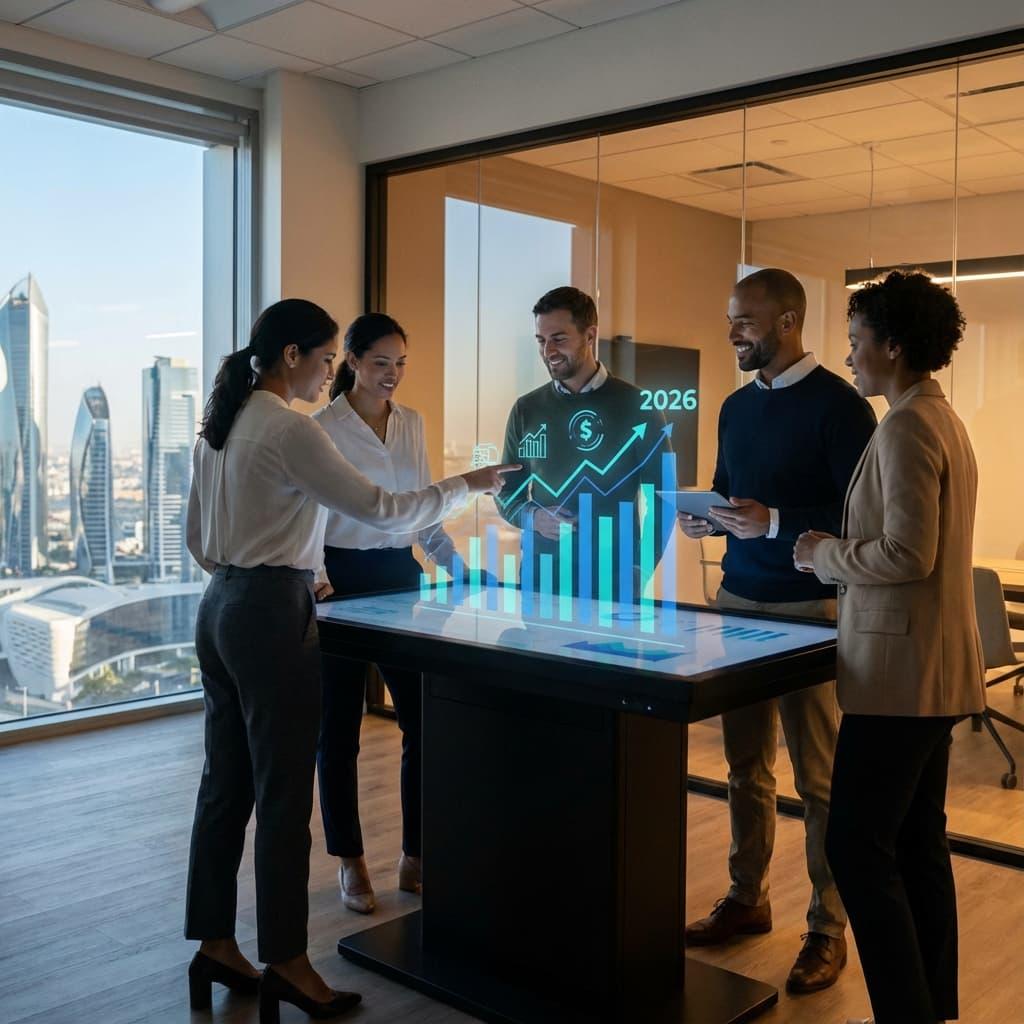
Political campaigns are now heavily driven by data analytics. Parties use digital tools to understand voter behavior, target audiences, and craft personalized messages. This has made campaigns more efficient but also raised concerns about privacy and ethical use of data.
Key Trends Shaping Modern Politics
1. Youth Participation
Young people are becoming more active in politics. They are using digital platforms to voice their opinions, organize movements, and demand change. Issues such as climate change, education, and employment are driving youth engagement.
2. Focus on Transparency
Citizens are demanding greater transparency from governments. Access to information and open communication are becoming essential for building trust between leaders and the public.
3. Global Cooperation
Challenges such as climate change, pandemics, and economic instability require international collaboration. Countries are working together to address these issues, despite political differences.
4. Rise of Independent Voices
Independent candidates and grassroots movements are gaining popularity. People are looking beyond traditional political parties for representation that aligns with their values.
Challenges in Modern Politics
Misinformation and Fake News
The spread of false information is a major concern. Social media platforms can amplify misleading content, influencing public opinion and undermining trust in institutions.
Political Polarization
Societies are becoming more divided along political lines. Differences in opinions can lead to conflicts, making it difficult to achieve consensus on important issues.
Economic Inequality
Economic disparities continue to influence political decisions. Addressing inequality is crucial for maintaining social stability and ensuring fair opportunities for all citizens.
The Role of Technology in Governance
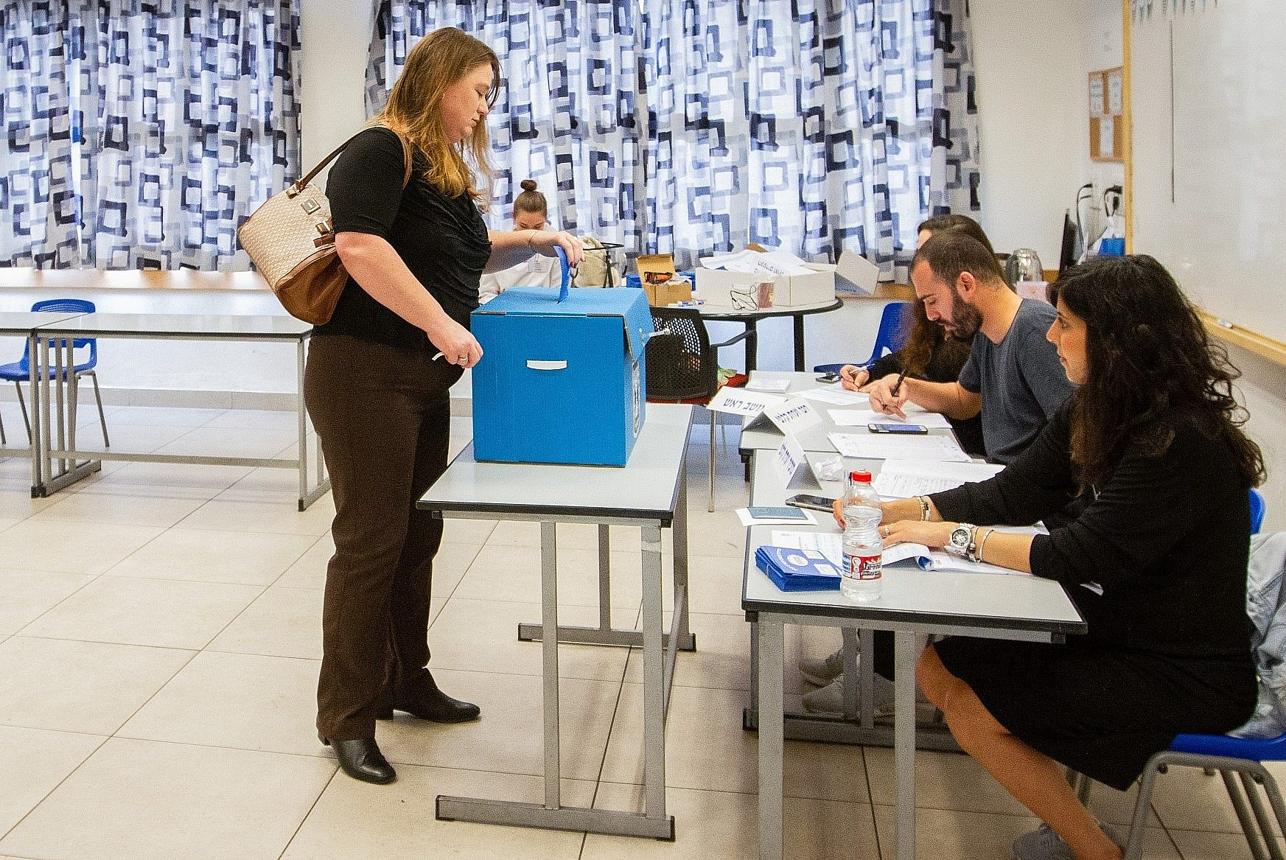
Technology is transforming how governments operate. E-governance systems allow citizens to access services online, improving efficiency and reducing bureaucracy. Digital voting and blockchain-based systems are also being explored to enhance transparency and security.
Artificial intelligence is being used to analyze data and support decision-making. While this can improve efficiency, it also raises ethical questions about accountability and bias.
The Power of Public Opinion
Public opinion has become a powerful force in shaping political outcomes. Social movements, protests, and online campaigns can influence policies and bring about change. Governments must listen to their citizens and respond to their needs to maintain legitimacy.
Media also plays a significant role in shaping public perception. Responsible journalism is essential for providing accurate information and promoting informed decision-making.
Future Outlook
The future of politics will be defined by adaptability and innovation. Leaders must be prepared to address complex global challenges while maintaining trust and accountability. Collaboration between governments, organizations, and citizens will be essential for progress.
As technology continues to evolve, political systems will need to adapt to ensure fairness, security, and inclusivity. The balance between innovation and ethical governance will be key to shaping a stable and prosperous future.
Conclusion
Politics in 2026 is dynamic, complex, and deeply interconnected with technology and society. While challenges such as misinformation and polarization persist, there are also opportunities for greater transparency, participation, and global cooperation.
By embracing change and focusing on inclusive governance, political systems can evolve to meet the needs of modern societies. The future of politics lies in empowering people and building systems that prioritize progress and equality.