Politics shapes the world we live in. From government policies and international relations to grassroots activism and public opinion, political decisions affect every aspect of society. Understanding the complexities of politics is essential for citizens, leaders, and policymakers who aim to create positive change.
In today’s interconnected world, politics is evolving rapidly. Technology, media, and social movements have transformed how political power is exercised, how policies are made, and how citizens participate. This article explores the modern political landscape and the forces shaping governance and public influence.
The Role of Government and Policy
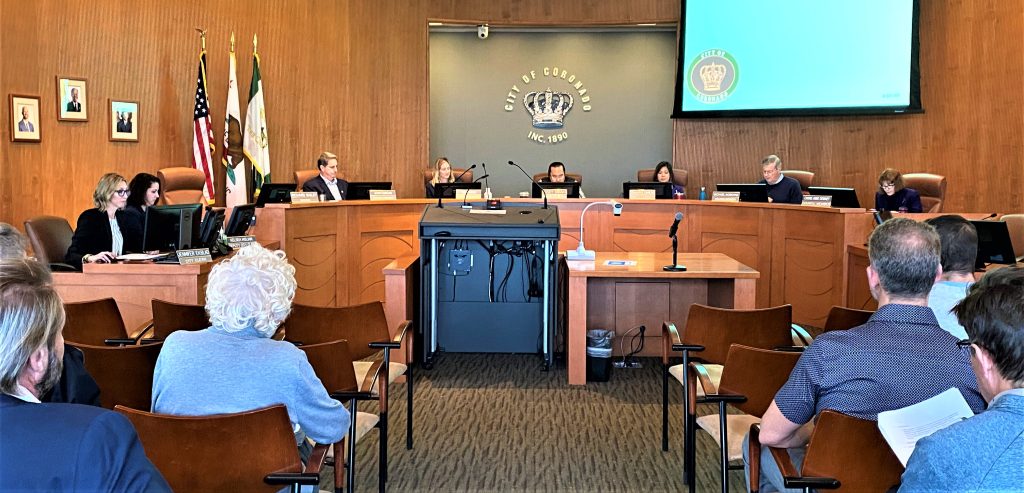
Government is the central authority that creates and enforces laws, policies, and regulations. Policies determine how resources are allocated, how social services are provided, and how citizens’ rights are protected. Effective governance requires transparency, accountability, and responsiveness to public needs.
Policies in areas such as education, healthcare, economy, and environment have long-term impacts on society. Citizens’ understanding of these policies and their involvement in decision-making are crucial for democratic governance.
The Impact of Media on Politics
Media plays a vital role in modern politics. News outlets, social media platforms, and digital content influence public perception, political campaigns, and voter behavior. Media serves as a bridge between the government and citizens, providing information and facilitating dialogue.
Social media has revolutionized political communication by enabling direct interaction between leaders and the public. Hashtags, online campaigns, and viral content have amplified public voices and created new avenues for civic engagement.
Political Movements and Civic Participation
Grassroots movements, advocacy groups, and public protests demonstrate the power of civic participation. Citizens are increasingly mobilizing to demand change, address social issues, and influence policy decisions.
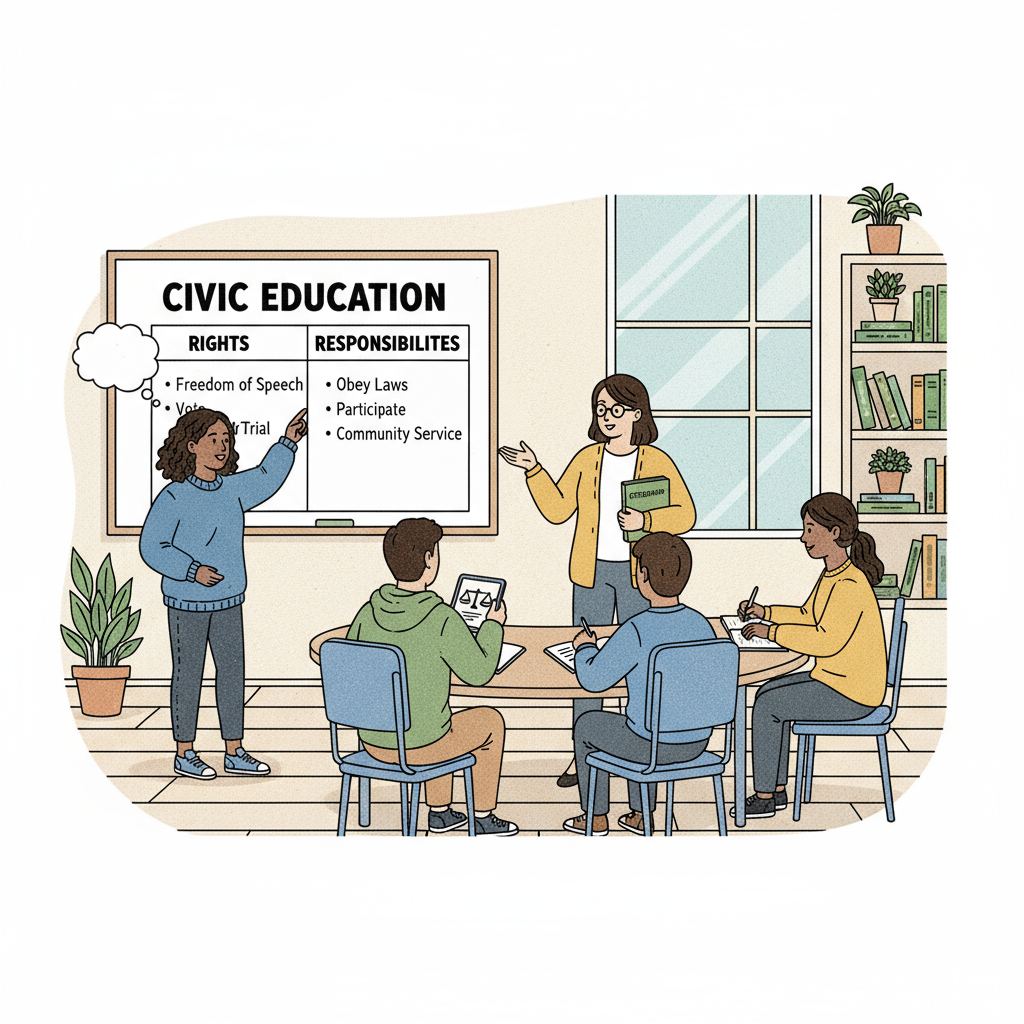
Political engagement is not limited to voting; it includes activism, volunteering, community organizing, and online advocacy. Informed and active citizens strengthen democracy and ensure that governance reflects societal needs.
Challenges Facing Modern Politics
Modern politics faces several challenges, including polarization, misinformation, corruption, and lack of transparency. Political divisions can hinder progress and reduce trust in institutions, while misinformation spreads confusion and fear.
Addressing these challenges requires critical thinking, fact-based discussions, ethical leadership, and increased civic education.
The Role of Technology in Politics
Technology has transformed elections, governance, and policy advocacy. Digital platforms allow candidates to reach large audiences, conduct online campaigns, and gather real-time feedback. E-governance tools streamline public services and improve transparency.
However, technology also poses risks such as cyber threats, data manipulation, and digital surveillance. Balancing innovation with security and ethical use is essential for a healthy political ecosystem.
Global Politics and International Relations
In a globalized world, domestic politics is increasingly linked to international relations. Trade agreements, diplomacy, climate policies, and security alliances influence political decisions across nations.
Understanding global political dynamics helps citizens, businesses, and governments navigate complex challenges and collaborate for sustainable solutions.
The Future of Politics
The future of politics will be shaped by increased citizen participation, digital innovation, and global collaboration. Transparency, accountability, and ethical leadership will become even more critical as societies face complex social, economic, and environmental challenges.
Educating citizens, promoting civic engagement, and leveraging technology responsibly will empower societies to build stronger democracies and achieve equitable governance.
Conclusion
Politics is the framework through which societies make decisions, exercise power, and shape the future. Understanding the modern political landscape, staying informed, and actively participating are vital for creating meaningful change.
By embracing transparency, ethical leadership, and civic engagement, citizens and leaders can ensure that politics serves the common good and promotes sustainable development for generations to come.