Politics is no longer limited to government institutions and election campaigns; it has expanded into social media, global movements, and civic engagement. In the 21st century, political dynamics are shaped by technology, public opinion, activism, and rapid information flow.
Understanding Modern Politics
Modern politics involves the governance of societies through policies, leadership, and civic participation. It encompasses decision-making processes, legislation, diplomacy, and citizen involvement.
Political awareness and engagement have grown as citizens now have greater access to information through digital platforms, enabling more active participation in governance.
The Role of Technology in Politics
Social Media Influence
Social media has transformed political communication. Platforms like Twitter, Facebook, and Instagram allow politicians to reach millions instantly, shaping public opinion and influencing voting behavior.
Viral campaigns, memes, and live debates provide direct engagement with voters, but they also increase misinformation risks.
Digital Campaigning and Data Analytics
Modern political campaigns use data analytics to target voters with personalized messaging. This technology-driven approach enhances voter outreach and strategic decision-making.
While effective, it also raises ethical concerns about privacy, manipulation, and transparency.
Globalization and Political Change
Globalization has interconnected nations politically, economically, and socially. International relations, trade agreements, and climate policies are influenced by global cooperation and conflicts.
Citizens are more aware of global issues, pushing governments to consider international perspectives in domestic policies.
Citizen Engagement and Activism
Grassroots Movements
Grassroots activism empowers ordinary citizens to advocate for change. Movements addressing climate change, human rights, and social justice have gained momentum worldwide.
These movements influence legislation, raise awareness, and hold governments accountable.
Voting and Political Participation
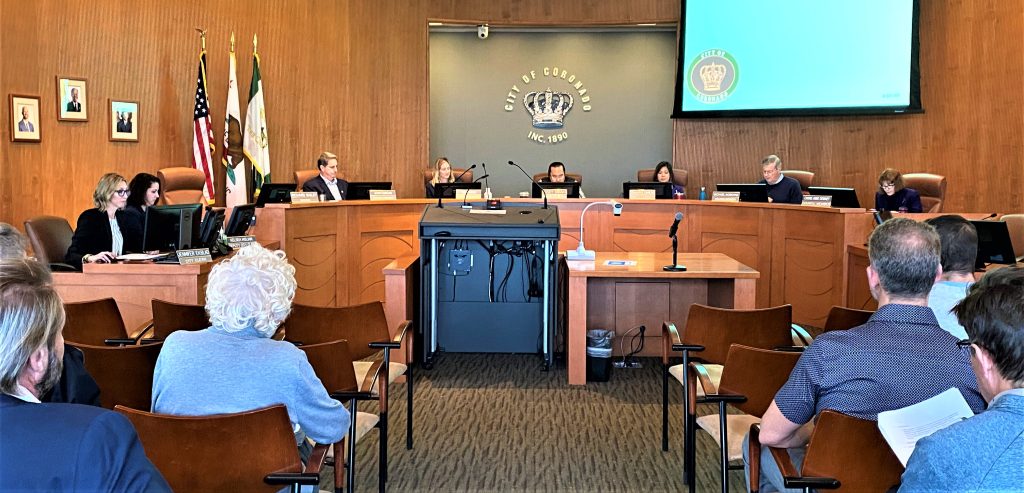
Participation in elections, public forums, and policy discussions is essential in a healthy democracy. Technology has simplified voting registration and information dissemination, but voter apathy and disinformation remain challenges.
Challenges Facing Modern Politics
Political polarization, misinformation, corruption, and lack of trust in institutions pose major challenges. These issues threaten democratic processes and hinder effective governance.
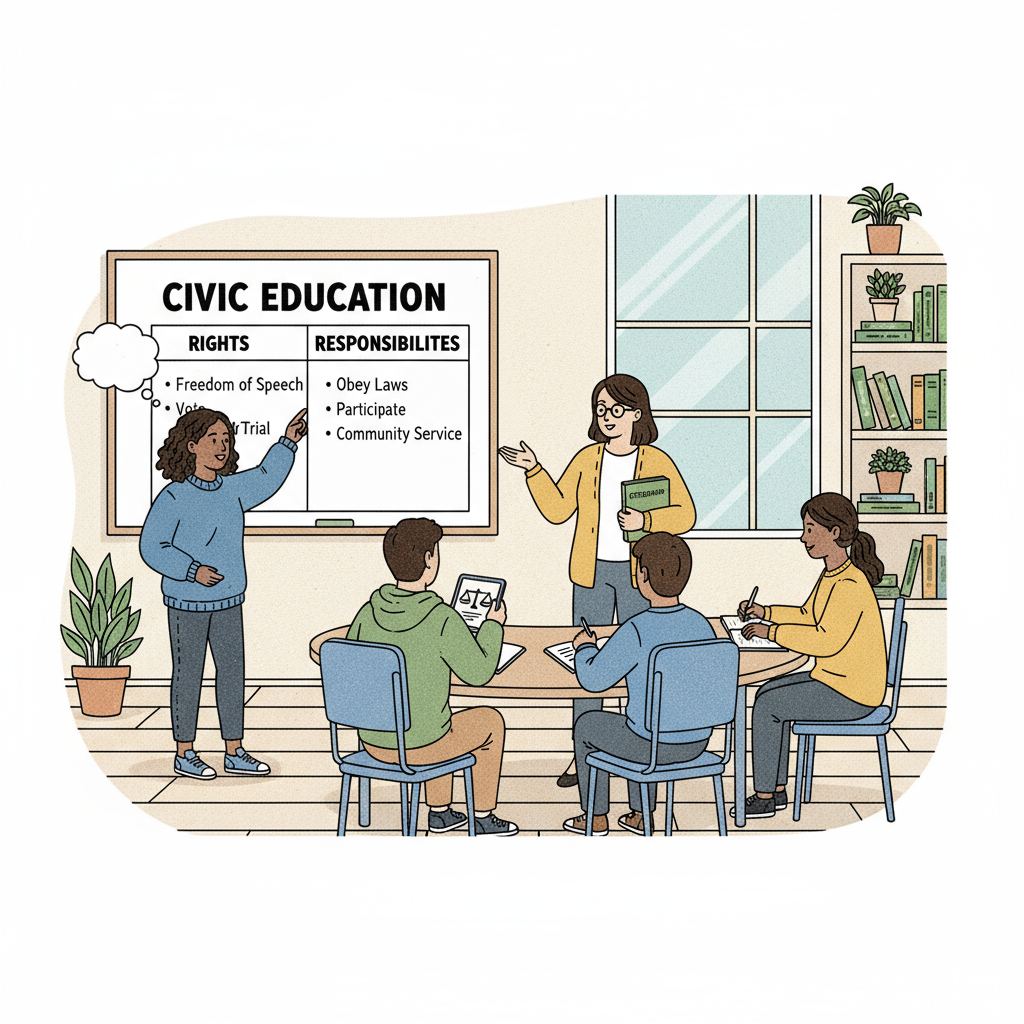
Addressing these challenges requires transparency, civic education, and responsible media practices.
The Future of Politics
The future of politics is likely to be shaped by technology, social engagement, and global collaboration. Artificial intelligence, blockchain voting systems, and data-driven policymaking may redefine how governments operate and citizens participate.
Sustainable and inclusive governance, combined with active civic participation, will determine the resilience of democracies worldwide.
Conclusion
Politics in the 21st century is dynamic, complex, and deeply interconnected with technology and society. Active citizen engagement, ethical leadership, and informed decision-making are essential for progressive and democratic governance.
By understanding modern political dynamics, individuals can participate meaningfully and help shape a fairer, more transparent, and inclusive future.