Politics has always played a crucial role in shaping societies, economies, and international relations. In 2026, the political landscape is more dynamic than ever, influenced by technological advancements, economic challenges, climate concerns, shifting global alliances, and the growing expectations of citizens. Governments worldwide are navigating complex issues that require cooperation, innovation, and effective leadership.
The modern political environment is characterized by rapid information sharing, increased public engagement, and a greater emphasis on transparency. Social media, digital communication platforms, and emerging technologies have transformed how political leaders interact with citizens and how people participate in democratic processes.
As nations face global challenges that transcend borders, understanding the evolving nature of politics is essential for citizens, policymakers, businesses, and organizations seeking to adapt to a changing world.
The Evolution of Modern Politics
Political systems have evolved significantly over the centuries. Traditional governance models have adapted to accommodate technological innovation, globalization, and changing societal expectations. Today, political leaders must address both domestic concerns and international challenges simultaneously.
Modern politics involves a wide range of issues including economic development, healthcare, education, national security, environmental sustainability, digital regulation, and international cooperation. These interconnected topics require comprehensive strategies and long-term planning.
Citizens are also becoming more informed and engaged in political discussions, leading to increased accountability for public officials and institutions.
Technology`s Impact on Politics
Digital Communication
Technology has transformed political communication. Leaders and government agencies can now communicate directly with citizens through social media platforms, websites, and digital broadcasts. This direct access enables faster information sharing and increased public engagement.
At the same time, digital communication presents challenges related to misinformation, cybersecurity, and information verification. Governments and technology companies continue to explore solutions that promote accurate information while protecting freedom of expression.
Artificial Intelligence in Governance
Artificial intelligence is increasingly being used to improve government operations, analyze public data, and support decision-making processes. AI can help identify trends, optimize public services, and improve administrative efficiency.
However, policymakers must carefully address ethical concerns, privacy issues, and potential biases associated with AI systems.
Cybersecurity and National Security
As governments become more reliant on digital infrastructure, cybersecurity has emerged as a major political priority. Protecting critical systems, sensitive information, and public services from cyber threats requires ongoing investment and international cooperation.
Economic Policies and Political Stability
Economic performance remains one of the most influential factors in politics. Governments are continually developing policies aimed at promoting growth, creating jobs, reducing inflation, and improving living standards.
Employment and Workforce Development
Technological advancements are changing labor markets worldwide. Governments are investing in education, vocational training, and digital skills programs to prepare workers for future industries and emerging career opportunities.
Managing Inflation and Economic Growth
Balancing economic growth with price stability remains a significant challenge for policymakers. Effective fiscal and monetary policies play essential roles in maintaining economic stability and public confidence.
Supporting Small Businesses
Small and medium-sized enterprises contribute significantly to employment and economic development. Many governments are implementing programs that provide funding, tax incentives, and regulatory support for entrepreneurs and business owners.
Climate Change and Environmental Politics
Environmental issues have become central to political discussions worldwide. Climate change, renewable energy, conservation, and sustainability initiatives are influencing policy decisions across many nations.
Transition to Clean Energy
Governments are investing in renewable energy sources such as solar, wind, and hydroelectric power to reduce dependence on fossil fuels and lower greenhouse gas emissions.
International Climate Cooperation
Global environmental challenges require international collaboration. Countries continue to participate in climate agreements and cooperative efforts aimed at addressing environmental concerns and promoting sustainable development.
Balancing Growth and Sustainability
Policymakers face the challenge of promoting economic growth while protecting natural resources and ecosystems. Sustainable development strategies seek to balance these priorities for long-term prosperity.
The Role of International Relations
Globalization has increased the importance of international diplomacy and cooperation. Political leaders regularly engage with foreign governments to address shared challenges and strengthen economic partnerships.
Trade Agreements
International trade agreements facilitate economic cooperation and market access. These agreements can promote economic growth while strengthening diplomatic relationships between nations.
Security Partnerships
Many countries collaborate on security initiatives to address common threats such as terrorism, cybercrime, and regional instability. These partnerships contribute to global peace and stability.
Humanitarian Cooperation
Nations often work together to respond to humanitarian crises, natural disasters, and public health emergencies. International organizations play important roles in coordinating relief efforts and providing assistance.
The Growing Influence of Youth in Politics
Young people are becoming increasingly active participants in political processes. Through social media, advocacy groups, and community organizations, younger generations are influencing discussions on education, climate change, economic opportunity, and social issues.
Many political leaders recognize the importance of engaging younger citizens and incorporating their perspectives into policy development. Youth participation contributes to stronger democratic institutions and more inclusive governance.
Challenges Facing Modern Democracies
Political Polarization
Political polarization has become a significant challenge in many countries. Differing viewpoints can sometimes lead to division and difficulty in reaching consensus on important issues.
Promoting constructive dialogue and encouraging civic engagement can help strengthen democratic processes and foster mutual understanding.
Public Trust in Institutions
Maintaining public trust is essential for effective governance. Transparency, accountability, and ethical leadership contribute to stronger relationships between governments and citizens.
Combating Misinformation
The rapid spread of information online creates opportunities for misinformation to influence public opinion. Media literacy, fact-checking initiatives, and responsible communication are increasingly important in modern politics.
Future Trends in Politics
Several trends are expected to shape politics in the coming years:
- Greater use of digital technologies in government services.
- Increased focus on climate and sustainability policies.
- Expansion of artificial intelligence in public administration.
- Growing importance of cybersecurity and data protection.
- Enhanced citizen participation through digital platforms.
- Continued emphasis on global cooperation for shared challenges.
- Investment in education and workforce development.
- Efforts to strengthen democratic institutions and transparency.
These developments have the potential to improve governance, increase efficiency, and create more responsive political systems.
The Importance of Civic Engagement
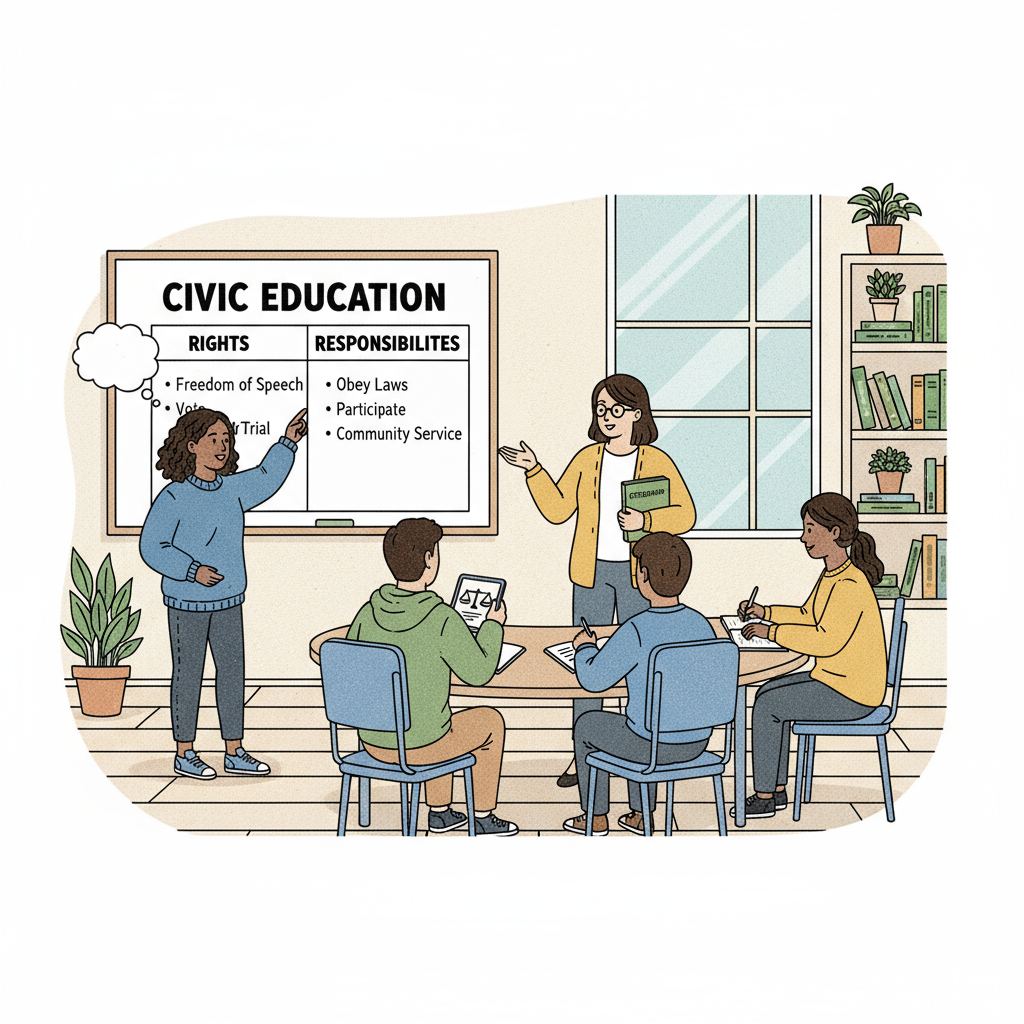
An informed and engaged population is essential for healthy political systems. Citizens contribute to governance through voting, community participation, public discussions, and civic initiatives.
Education plays a vital role in helping individuals understand political processes, evaluate information critically, and participate responsibly in public affairs. Strong civic engagement supports accountability, transparency, and democratic values.
Conclusion
The political landscape of 2026 is shaped by technological innovation, economic transformation, environmental challenges, and increasing global interconnectedness. Governments, institutions, and citizens must work together to address complex issues while promoting stability, prosperity, and sustainable development.
Technology continues to influence governance, communication, and public participation, creating both opportunities and challenges. Meanwhile, issues such as climate change, economic growth, cybersecurity, and international cooperation remain central to political decision-making.
As societies evolve, effective leadership, informed citizenship, and collaborative problem-solving will play critical roles in shaping the future of politics. By embracing innovation, encouraging civic engagement, and pursuing sustainable policies, nations can build stronger political systems capable of meeting the needs of future generations.