Global politics has entered an era of unprecedented complexity. Rapid technological advancements, globalization, and social movements are redefining how nations interact, how leaders govern, and how citizens influence policies. Traditional power dynamics are shifting, and political actors are facing new challenges that require innovation, diplomacy, and adaptability.
This article explores the key trends shaping modern politics, the role of technology in governance, emerging challenges, and the implications for citizens and policymakers worldwide.
Globalization and Its Impact on Politics
Globalization has interconnected nations economically, socially, and culturally. Trade agreements, multinational organizations, and cross-border collaborations have made domestic policies increasingly influenced by global events.
While globalization fosters cooperation and shared prosperity, it also creates challenges. Political leaders must balance national interests with global responsibilities, and citizens are increasingly concerned about economic inequalities and environmental issues.
Technology and Digital Politics
1. Social Media and Public Opinion
Social media platforms have transformed political communication. Politicians can now engage directly with citizens, mobilize supporters, and shape public opinion in real time. However, misinformation and propaganda can spread just as quickly, affecting elections and trust in institutions.
2. E-Governance and Transparency
Digital tools are improving government efficiency and accountability. E-governance initiatives, online public services, and data-driven decision-making allow citizens to access information and participate more actively in governance.
3. Cybersecurity and Election Integrity
As politics becomes more digitized, cybersecurity is a critical concern. Cyberattacks on electoral systems, hacking of confidential data, and online manipulation campaigns pose threats to democratic processes worldwide.
Populism and Changing Political Movements
The rise of populist movements has reshaped political landscapes in many countries. Citizens frustrated with traditional political systems are increasingly supporting leaders and parties promising rapid change, economic reform, and social justice.
While populism can empower marginalized voices, it also risks undermining democratic institutions if it emphasizes rhetoric over constructive policy-making.
Climate Politics and Environmental Policies
Climate change has become a central issue in global politics. Governments are under pressure to implement sustainable policies, reduce carbon emissions, and address environmental degradation. Climate agreements, such as the Paris Accord, highlight the need for multilateral cooperation in tackling these challenges.
Geopolitical Tensions and International Relations
Geopolitics is shifting with the rise of emerging powers, trade conflicts, and regional disputes. Nations are navigating complex alliances, economic sanctions, and military strategies to safeguard their interests.
International organizations like the United Nations, NATO, and the World Trade Organization play crucial roles in maintaining stability, mediating conflicts, and promoting cooperation among countries.
The Role of Citizens in Modern Politics
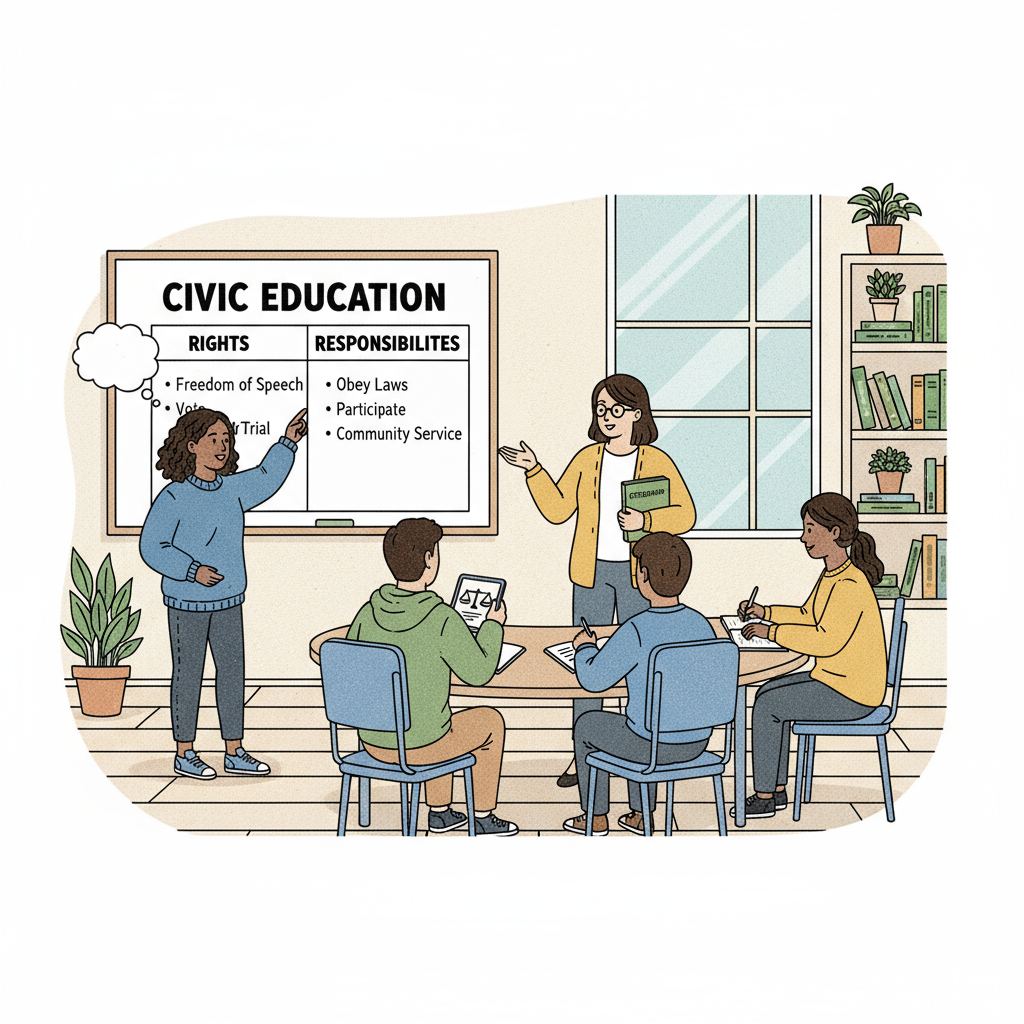
Citizens now have more tools than ever to influence political outcomes. Social media activism, public petitions, and community engagement allow individuals to participate actively in governance and decision-making processes.
Educated and informed populations hold governments accountable, advocate for policy changes, and drive social progress. Civic engagement is essential for sustaining healthy democracies in the 21st century.
Challenges Facing Modern Politics
Modern politics faces several challenges, including political polarization, corruption, disinformation, and unequal access to resources. These challenges test the resilience of democratic institutions and demand innovative solutions.
1. Polarization and Partisanship
Deep political divides can hinder collaboration, policy-making, and compromise, often leading to legislative gridlock and social tensions.
2. Corruption and Governance
Corruption undermines trust in public institutions and hampers socio-economic development. Transparency, accountability, and active citizen oversight are crucial to addressing this issue.
3. Misinformation and Fake News
The rapid spread of false information challenges both governments and citizens. Media literacy, fact-checking platforms, and regulation of digital content are essential tools to combat misinformation.
The Future of Politics
The future of global politics will depend on adaptability, collaboration, and ethical leadership. Emerging technologies, environmental concerns, and social movements will continue to shape policies and governance strategies.
Nations that embrace innovation, inclusivity, and transparency will be better positioned to meet the demands of a rapidly evolving political landscape. Citizens’ engagement and informed decision-making will remain at the heart of successful democracies.
Conclusion
Global politics in the 21st century is complex, dynamic, and interconnected. From technology-driven governance to climate policy and geopolitical shifts, the landscape is constantly changing. Understanding these trends is essential for policymakers, citizens, and observers seeking to navigate the challenges and opportunities of modern politics.
Active citizen participation, ethical leadership, and international cooperation will define the resilience and effectiveness of political systems in the decades ahead.