Global politics is undergoing a dramatic transformation. In the 21st century, power is no longer defined solely by military strength or territorial control. Instead, technology, economic influence, digital diplomacy, and public opinion play equally significant roles. Nations are navigating a rapidly evolving geopolitical environment shaped by globalization, shifting alliances, and emerging superpowers.
The modern political landscape reflects complex relationships between governments, multinational corporations, international organizations, and citizens empowered by digital platforms. Understanding these dynamics is essential to grasp the direction in which the world is heading.
The Shift from Traditional Power to Soft Power
Historically, global influence was measured by military capabilities and economic dominance. While these factors remain important, soft power — the ability to influence through culture, diplomacy, and values — has become increasingly significant.
Countries invest heavily in cultural diplomacy, international aid, and global partnerships to enhance their global image. Media presence, education exchange programs, and international cooperation strengthen a nation’s influence without direct conflict.
The Role of Technology in Modern Politics
Technology has transformed political communication and governance. Social media platforms allow leaders to communicate directly with citizens, bypassing traditional media channels. Digital campaigns, online fundraising, and data-driven strategies have reshaped election processes worldwide.
However, technology also introduces challenges such as misinformation, cyberattacks, and data privacy concerns. Cybersecurity has become a top priority for governments seeking to protect national infrastructure and democratic systems.
Artificial Intelligence and Governance
Artificial intelligence is increasingly used in policy analysis, public service delivery, and predictive governance. Governments are exploring AI-powered tools to improve efficiency in healthcare, transportation, and security services.
Geopolitical Tensions and Emerging Powers
The global balance of power is shifting as emerging economies expand their influence. Economic growth in Asia, Africa, and Latin America is reshaping international trade patterns and political alliances.
Competition for resources, technological supremacy, and strategic partnerships often creates geopolitical tensions. Trade disputes, regional conflicts, and diplomatic negotiations define modern international relations.
The Impact of Globalization
Globalization has interconnected economies and societies more than ever before. International trade agreements, cross-border investments, and multinational corporations influence domestic policies.
While globalization promotes economic growth and cultural exchange, it also raises concerns about economic inequality, labor rights, and national sovereignty. Governments must balance global cooperation with domestic priorities.
Climate Change and Political Responsibility
Climate change has become one of the most pressing political issues of our time. Governments are negotiating international agreements to reduce carbon emissions and promote sustainable development.
Environmental policies influence economic planning, energy strategies, and industrial regulations. Political leaders face increasing pressure from citizens and environmental organizations to take decisive action.
The Rise of Populism and Political Polarization
Political polarization has intensified in many countries. Populist movements often emerge in response to economic inequality, cultural shifts, and dissatisfaction with traditional political institutions.
Social media amplifies political debates, sometimes deepening divisions within societies. Constructive dialogue and inclusive policymaking are essential to maintaining democratic stability.
The Future of Democracy
Democracy continues to evolve in the digital age. Electronic voting systems, online civic engagement platforms, and transparent governance tools aim to increase participation and accountability.
However, protecting democratic institutions from cyber threats and misinformation remains a critical challenge. Strengthening independent institutions and promoting media literacy are vital steps toward safeguarding democratic values.
International Organizations and Global Cooperation
International organizations play a key role in maintaining global stability. They facilitate diplomatic dialogue, humanitarian assistance, and conflict resolution.
Multilateral cooperation is essential to address global issues such as pandemics, terrorism, and economic crises. Collaborative policymaking strengthens global resilience in uncertain times.
The Economic Dimension of Politics
Economic policies significantly influence political stability. Inflation, unemployment, and income inequality often shape electoral outcomes and public trust in leadership.
Fiscal reforms, trade agreements, and digital economy regulations are central to modern governance strategies.
Youth Participation in Politics
Younger generations are becoming increasingly active in political discussions. Digital activism, online petitions, and social movements empower youth voices.
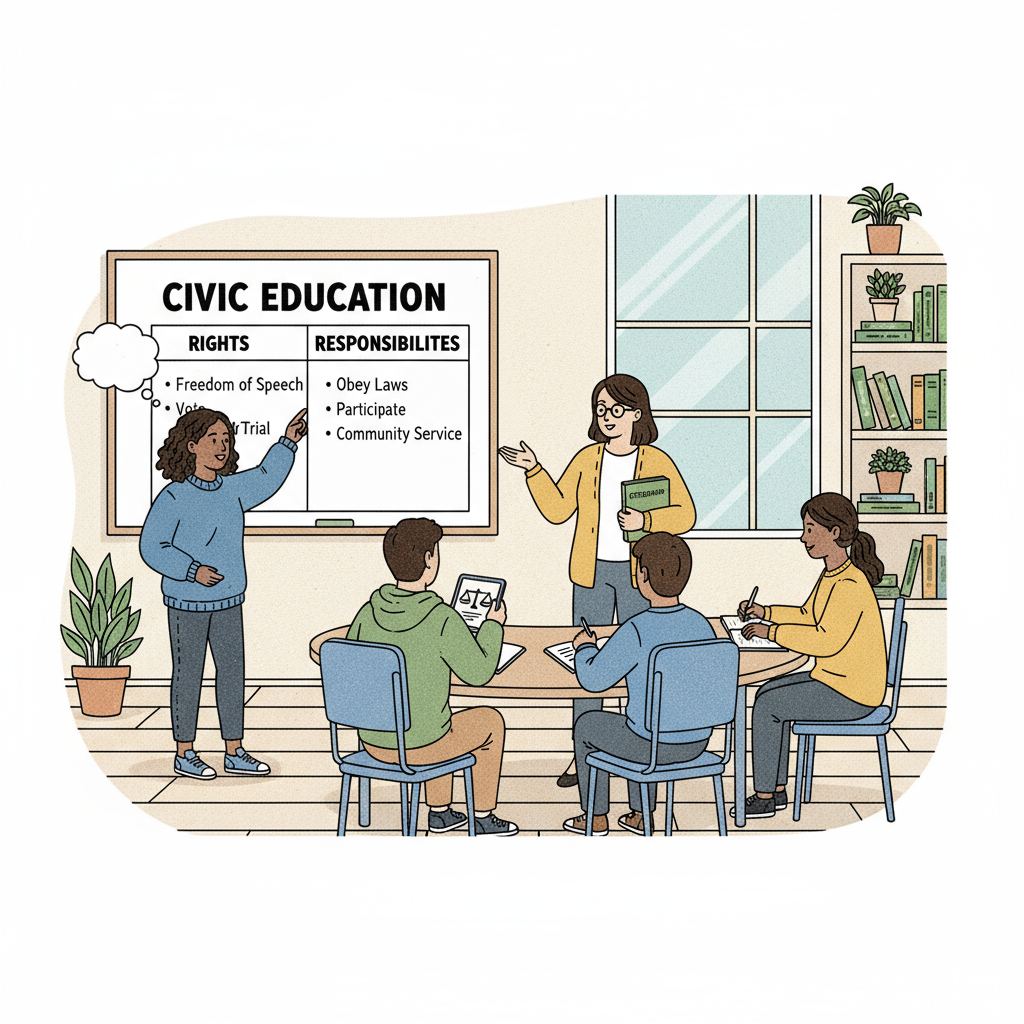
Educational programs and civic engagement initiatives encourage political awareness and participation among young citizens.
The Path Forward
The future of global politics will depend on adaptability, cooperation, and responsible leadership. Technological advancements, environmental challenges, and economic shifts will continue to shape policy decisions.
Nations must embrace innovation while protecting democratic principles and human rights. Strong international collaboration will remain essential to solving global challenges.
Conclusion
The landscape of global politics is more interconnected and complex than ever before. Power is evolving, technology is reshaping governance, and citizens are more engaged through digital platforms.
As the world navigates economic transitions, climate challenges, and geopolitical shifts, effective leadership and international cooperation will determine the stability and prosperity of future generations.