Politics has always played a central role in shaping societies, economies, and international relations. In 2026, the political landscape is more complex than ever, influenced by globalization, technological advancements, and shifting power dynamics. Governments around the world are facing new challenges while also discovering opportunities to create more inclusive and sustainable systems.
From economic policies and international diplomacy to digital governance and public participation, modern politics is evolving rapidly. Understanding these changes is essential for citizens, policymakers, and businesses alike.
The Impact of Globalization
Globalization has interconnected nations in ways that were unimaginable a few decades ago. Trade, communication, and cultural exchange have created opportunities for growth, but they have also introduced challenges.
Countries are now more dependent on each other for resources, technology, and economic stability. While this interdependence promotes cooperation, it can also lead to conflicts and vulnerabilities.
Technology and Digital Governance
Technology is transforming how governments operate and interact with citizens. Digital governance is improving efficiency, transparency, and accessibility.
E-Government Services
Online platforms allow citizens to access government services, pay taxes, and apply for permits without visiting offices. This reduces bureaucracy and saves time.
Data and Privacy
As governments collect more data, concerns about privacy and security are increasing. Balancing innovation with ethical considerations is a major challenge.
Cybersecurity
Protecting national infrastructure from cyber threats has become a top priority for governments worldwide.
Rising Importance of Public Participation
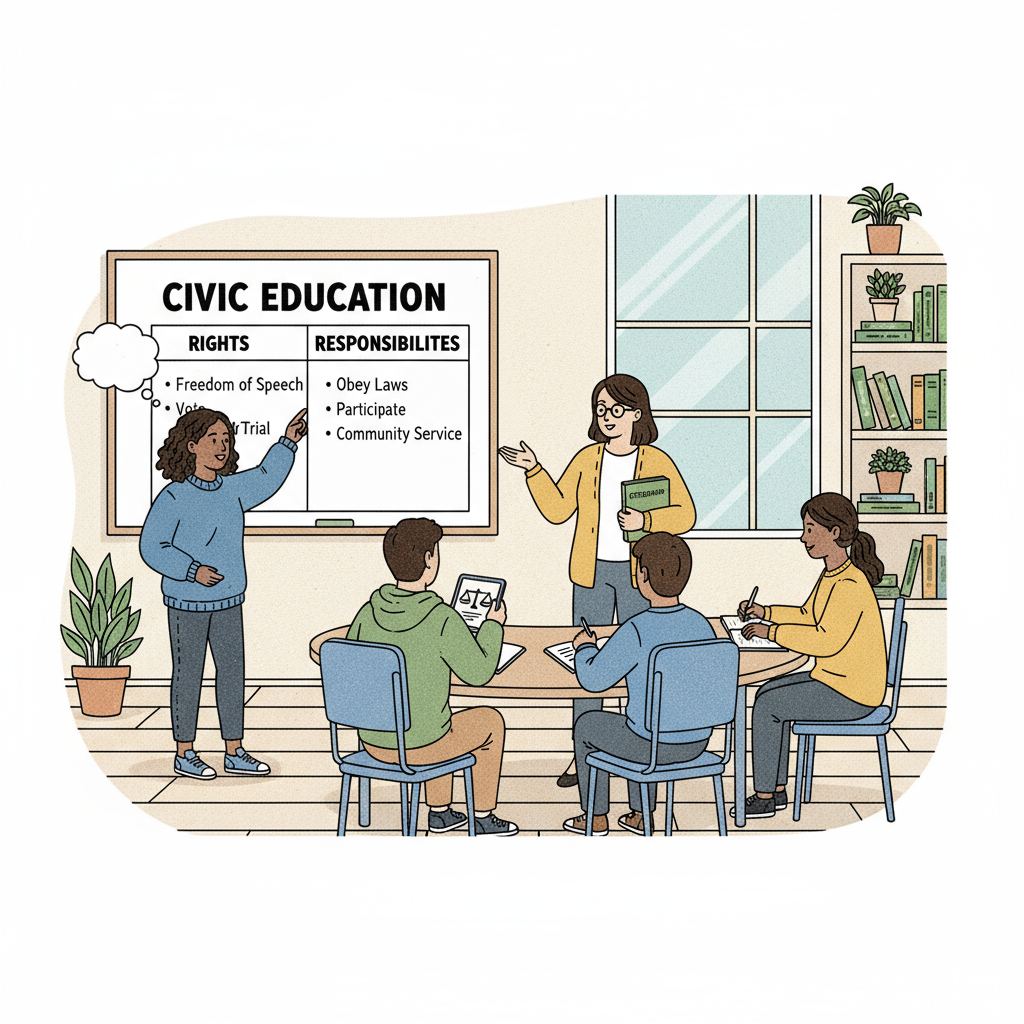
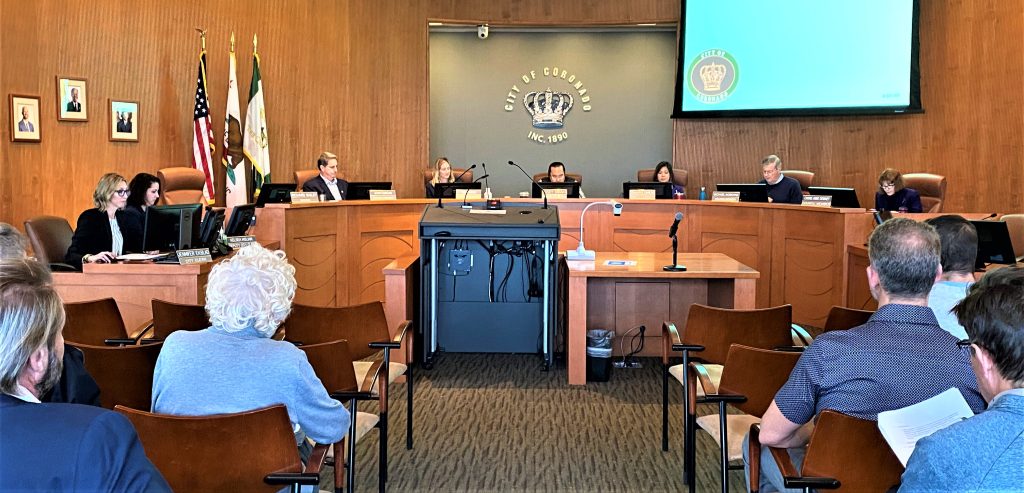
Citizens today are more informed and engaged in political processes. Social media platforms have amplified voices, enabling people to express opinions and influence decisions.
Public participation strengthens democracy but also presents challenges, such as misinformation and polarization.
Economic Policies and Global Stability
Economic policies play a crucial role in shaping political stability. Governments must address issues such as inflation, unemployment, and income inequality.
International cooperation is essential for tackling global challenges like climate change, trade disputes, and financial crises.
Environmental Politics
Climate change is one of the most pressing issues of our time. Governments are implementing policies to reduce carbon emissions and promote sustainable development.
Environmental politics involves balancing economic growth with environmental protection, which can be a complex and challenging task.
Geopolitical Tensions
Geopolitical tensions continue to shape global politics. Conflicts between nations, territorial disputes, and competition for resources influence international relations.
Diplomacy and negotiation remain key tools for maintaining peace and stability.
The Role of Leadership
Effective leadership is critical in navigating the complexities of modern politics. Leaders must make informed decisions, communicate clearly, and build trust with citizens.
Transparency, accountability, and integrity are essential qualities for political leaders in today’s world.
Challenges Facing Modern Politics
Despite advancements, political systems face several challenges:
- Political polarization and division
- Spread of misinformation
- Corruption and lack of transparency
- Balancing national interests with global cooperation
Opportunities for the Future
While challenges exist, there are also opportunities to create positive change:
- Adoption of innovative technologies
- Strengthening democratic institutions
- Promoting inclusivity and equality
- Enhancing international collaboration
The Future of Global Politics
The future of politics will be shaped by how effectively governments address current challenges and adapt to changing circumstances. Collaboration, innovation, and responsible leadership will play key roles in building a stable and prosperous world.
Citizens will continue to have a significant influence, driving accountability and pushing for reforms that reflect their needs and aspirations.
Conclusion
The changing landscape of global politics highlights the importance of adaptability and cooperation. In an interconnected world, decisions made by one nation can have far-reaching impacts on others.
By embracing innovation, promoting transparency, and fostering collaboration, governments can navigate challenges and create opportunities for a better future. Understanding these dynamics empowers individuals to engage more effectively in the political process and contribute to positive change.